Causes and Solutions for Soldering Iron Tip Not Sticking to Solder
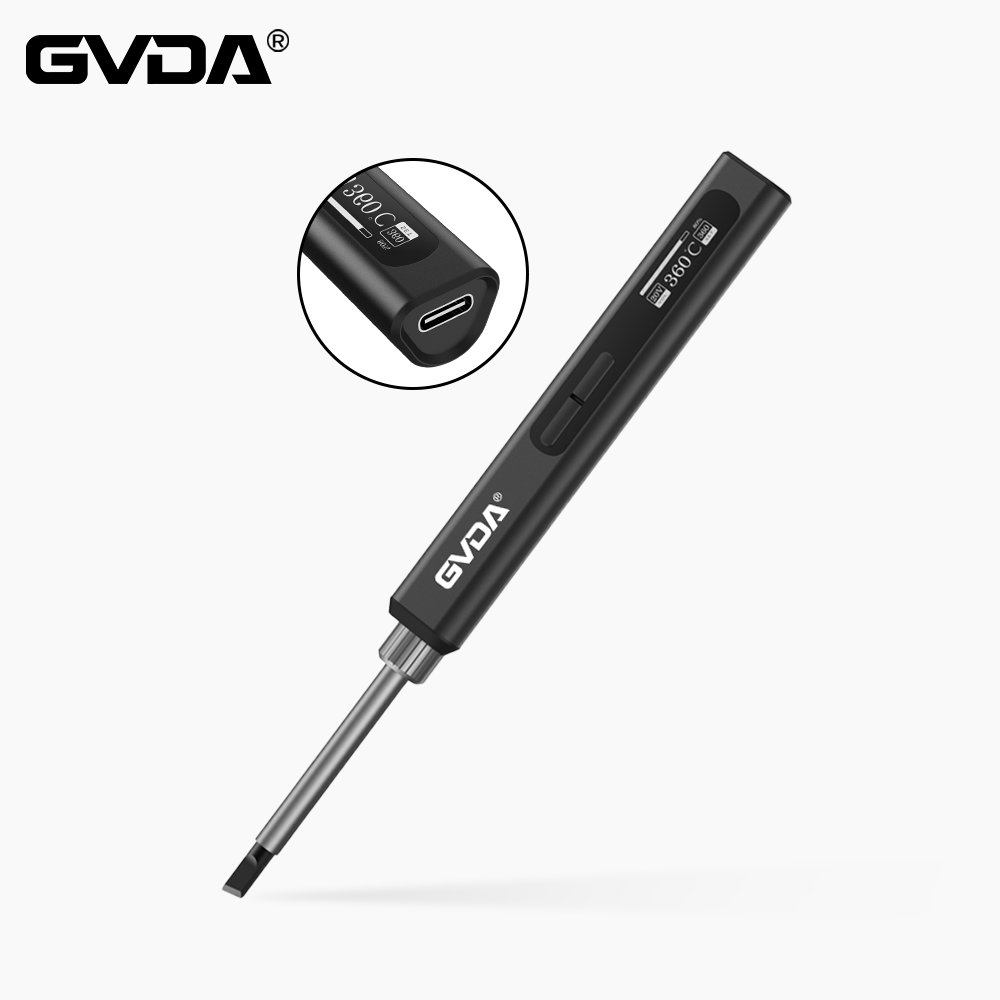
Electric soldering iron is one of the essential tools for electronic hardware soldering technicians. A good electric soldering iron can greatly improve the efficiency of soldering and debugging electronic circuits. But friends who have just learned to use an electric soldering iron will have this experience, that is, the soldering iron tip does not stick to tin, and they will find that the melted tin sticks to the tip of the soldering iron like water droplets. Some more serious cases may find that the soldering iron cannot stick to tin at all. These phenomena bring us great trouble when soldering electronic components, so how can we eliminate this phenomenon? Today, I will use this question to talk to friends about how to solve the problem of soldering iron pen tips not sticking to tin.
The reason why the soldering iron tip does not stick to tin
To solve the problem of soldering iron tips not sticking to tin, we first need to understand the reasons why soldering irons do not stick to tin. As friends who use soldering irons know, soldering irons are divided into long-life pointed tip tips and ordinary soldering iron tips. For long-life pointed tip tips, they are mainly composed of five metal materials: copper, iron, nickel, chromium, and tin; For ordinary electric soldering iron tips, they are mainly made of purple copper or red copper. Specially prepared for metals such as copper and iron that are easily oxidized when exposed to heat. The oxidized soldering iron tip will form a thin layer of oxidized metal on the surface, which is difficult to bond with melted tin metal. This is the main reason why the soldering iron tip does not stick to tin.
Method to solve the problem of non stick soldering iron tips
Next, let me talk to my friends about how I handle soldering iron tips that do not stick to tin. Because I usually use a regular soldering iron tip, when the tip accidentally oxidizes, my first step is to file the tip with a file, removing the thin layer of metal oxide that wraps around the tip until new copper is exposed. Then, I turn on the power until the tip reaches heat and apply some rosin. When the tip reaches the temperature to melt the solder wire, I wrap the entire tip with a layer of tin, making it easy for the tip to "eat" the tin. For long-life pointed soldering irons, I recommend sanding them with sandpaper and using the same method for soldering.
Maintenance methods for soldering iron tips after use
I believe that for a soldering iron to be used for a long time, maintenance is crucial. For example, the maintenance of the soldering iron tip is to not forget to add a layer of solder to the tip after completing the soldering work. The purpose of doing so is to prevent the soldering iron tip from oxidizing again. Next time when using it, after powering on and heating it until the solder melts, you can use a damp high-temperature sponge to wipe off the surface oxidation deposits and continue to use it.
In addition, do not tap the soldering iron when using it, especially do not develop the habit of shaking the excess solder melt on the soldering iron with your hands, as this can easily harm others. When handling the soldering iron, it should be handled gently and not thrown around, otherwise it will damage the heating wire inside.