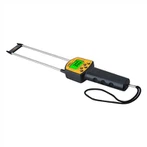
Cleaning method after measuring dairy products with pH meter
There are several types of cleaning methods for acidity/pH meters. When measuring different media or working in different environments, the contamination of the pH meter/pH meter electrode varies, so the cleaning method will be analyzed on a case by case basis. This article explains how to clean dairy products after measuring their acidity using a pH meter, and how to clean them for general protein and high protein situations. Be sure to pay attention during the process, as glass pH/pH meter electrodes are generally used to measure such substances. Clean the sediment left on the electrode:
1) When testing general dairy protein:
Soak in hydrochloric acid solution of gastric protease (HCl concentration of 0.1mol/L) for 15 minutes, or soak in 10% sodium hypochlorite solution for 5 minutes. Afterwards, clean with pure water and soak in 3.3mol/L KCL electrode soaking solution for 12 hours to maintain a balanced electrode potential. This can restore its original activity. If not, it depends on whether to replace the electrode;
2) When testing high protein and high-fat dairy products:
Soak the acidity/pH meter electrodes in dishwashing detergent for 1 hour. After removing the electrode, rinse it thoroughly and soak it in gastric protease solution for 4 hours. Preparation method for gastric protease solution: Mix 5% gastric protease 0.5MOL/L hydrochloric acid solution in a 1:1 ratio* Afterwards, take out the electrode, clean it with distilled water, and soak it in a 3mol/L (accurately 3.3mol) KCL solution for later use. The electrode should also be filled with 3MOL/L KCL solution to avoid drying up
Because acidity/pH meters are widely used in the dairy industry. Especially in the testing of semi-finished and finished products, it plays a significant role, and such pH values reflect the quality status of the tested substance. If the accurate pH value cannot be measured in a timely manner for production reference, it will have an immeasurable impact on production.
Dairy products have the characteristics of high protein and fat content, which can easily cause blockage of the electrode glass ball capillary. An electrode in normal use may experience slow response and unstable readings after about three months; In order to save usage costs and allocate resources reasonably.