Common Faults and Precautions of Digital Multimeters
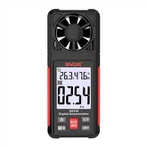
A digital multimeter is a multi-purpose electronic measuring instrument that generally includes functions such as an ammeter, voltmeter, ohmmeter, etc. It is sometimes also referred to as a multimeter, multimeter, multimeter, or multimeter. What are the common malfunctions that a digital multimeter may encounter during use? What are the precautions during use?
1. Measurement gear error caused damage to internal components, resulting in damage to the digital multimeter. Therefore, it is necessary to select the correct measurement gear before use.
2. Improper range selection can cause damage to digital multimeters, especially when measuring current and voltage. Improper range selection can easily lead to circuit failures. In measurement, attention should be paid to selecting the appropriate range.
3. Determine the high voltage value based on the upper limit of the measurable voltage of the digital multimeter, generally below 1000V. If the voltage exceeds the range, the method of using a voltage reducing resistor should be used for measurement.
4. When measuring high current and high voltage, ensure that the probe is in good contact with the measuring point. To avoid errors, no numerical display, and damage to the multimeter.
5. When measuring resistance, non electrified measurement should be performed, and electrified measurement is not allowed
Measurement techniques (if not specified, referring to the use of a pointer gauge):
1. Test speakers, headphones, and dynamic microphones: Use R × 1 Ω mode, connect one probe to one end, and touch the other probe to the other end. Under normal circumstances, a crisp "click" sound will be emitted. If it doesn't make a sound, it means the coil is broken. If the sound is small and sharp, it means there is a problem with wiping the coil and it cannot be used.
2. Measure capacitance: Use resistance mode to select the appropriate range according to the capacitance, and pay attention to connecting the black probe of the electrolytic capacitor to the positive electrode of the capacitor during measurement. ① Estimating the capacity of microwave capacitors: It can be determined based on experience or by referring to standard capacitors of the same capacity, based on the magnitude of pointer oscillation. The capacitance referred to does not need to have the same withstand voltage value, as long as the capacitance is the same. For example, estimating a capacitance of 100 μ F/250V can be referenced with a capacitance of 100 μ F/25V. As long as their pointer swings * by the same magnitude, it can be concluded that the capacitance is the same. ② Estimating the capacitance size of a Pifa level capacitor: It is necessary to use the R × 10k Ω range, but only capacitors above 1000pF can be measured. For capacitors of 1000pF or slightly larger, as long as the pointer swings slightly, it can be considered that the capacity is sufficient. ③ Measure whether the capacitor is leaking: For capacitors above 1000 microfarads, they can be quickly charged using the R × 10 Ω range, and the capacitance can be initially estimated. Then, switch to the R × 1k Ω range and continue measuring for a while. At this point, the pointer should not return, but should stop at or very close to ∞, otherwise there is a leakage phenomenon. For some timing or oscillating capacitors below tens of microfarads (such as oscillating capacitors in color TV switch power supplies), the leakage characteristics are very high. As long as there is a slight leakage, they cannot be used. At this time, they can be charged in the R × 1k Ω range and then switched to the R × 10k Ω range to continue measuring. Similarly, the pointer should stop at ∞ and should not return.