Common power supply types and DC voltage levels in electronic control systems
With the increasing safety requirements of the control loop in the electronic control system, the working voltage of the control loop is becoming more and more low-voltage DC. As a result, there are more and more electrical devices such as sensors using DC power supply, small, medium and micro DC relays in the control circuit. Because of this, there are correspondingly more switching power supplies of different brands in the electronic control system. Because it involves the normal operation of the entire or most of the control loops, it is very necessary for us to understand some knowledge of switching power supplies.
First of all, let's take a look at the common types of switching power supplies in electronic control systems.
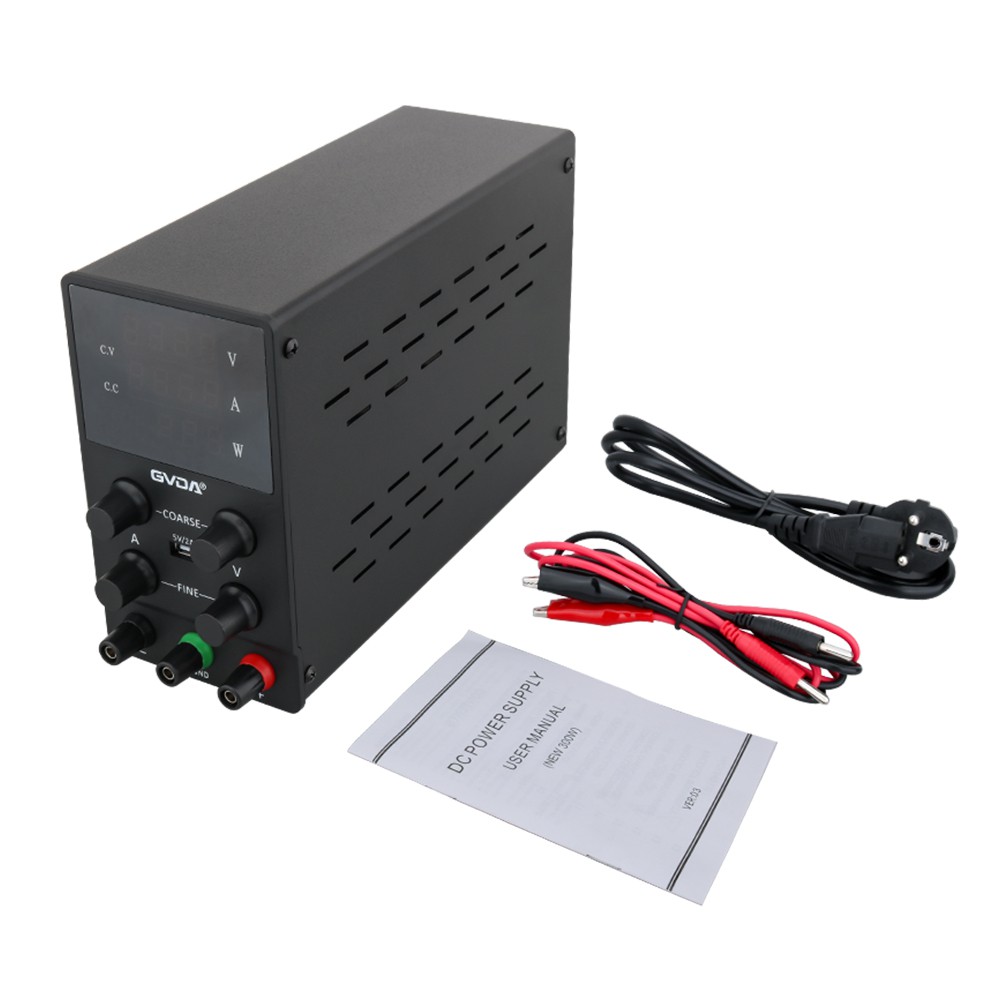
According to the different corresponding relationship between the secondary winding of the switching power supply and the primary winding, the switching power supply can be roughly divided into two categories: flyback type and self-excited type. Because the flyback switching power supply has the advantages of relatively fixed circuit structure, good stability and reliability, and low price, it is more common in current electronic control systems (supplement: the integrated switching power supply module used in some electronic control systems has quite Part of it is also a flyback switching power supply circuit. The picture shows two common flyback switching power supplies).
However, due to the limitation of the working principle of the flyback switching power supply, its output capacity is mostly between tens of VA and hundreds of VA, and there are very few products exceeding 1 kVA in practice. Interested peers can take a look at the switching power supply in the surrounding environment. If you find that the integrated circuit model it uses is UC3842/43/44/45, it is a typical form of flyback switching power supply. narration).
By the way, most of the switching power supply circuits in various electronic industrial control devices such as frequency converters and servo controllers are flyback.
Next, let's look at matters related to the input and output voltages of switching power supplies. Because some switching power supply manufacturers not only face the domestic market, but also take into account the European, American and Japanese markets, so one switching power supply has two input voltage levels of AC110V and AC220V at the same time. This type of switching power supply is mostly used to select a selection switch on the circuit board to complete the voltage level selection. Because of this, we must check whether the input voltage level switch of the switching power supply matches the actual input voltage before installation and use, otherwise it is very easy to cause damage to the switching power supply!
Next, let's take a look at the DC voltage levels that are often used in actual work. Combined with the actual situation, we often come into contact with the following four DC voltage levels in our work:
1. +5V: This voltage is usually supplied to the control board containing the single-chip microcomputer in the electronic control system, and some LED indicators;
2. +12V: This voltage is widely used in industrial control systems, and its power supply range covers proximity switches, infrared sensors, solid state relays, small electromagnetic relays, etc.;
3. +15V: This voltage is usually used by various testing instruments, but it is not very common in practice;
4. +24V: The voltage level of this circuit is the same as +12V, and it is also very commonly used in electronic control systems. In addition to the various loads carried by +12V, the +24V power supply is also responsible for the power supply of various touch screens, text editors, touch industrial control all-in-one machines and other devices.
Under normal circumstances, switching power supplies with two output voltage levels of +12V and +24V are mostly used in electronic control systems. However, it needs to be pointed out that in the actual use of the control process, often due to different control objects, in order to prevent unfavorable factors such as interference, the "GND/COM" terminals between different voltage levels of the output terminal of the switching power supply are also divided into common and independent. Two types of formulas. When choosing to use, we should choose to use in a targeted manner in light of the actual situation.
Finally, let me talk about a matter that needs special attention in the actual use of switching power supplies. When driving electromagnetic relays and other inductive loads that will generate extremely high back electromotive force (equivalent to) at the moment of turning off, we need to use this The two ends of the coil of this type of device are reversed and a diode (usually the model is 1N4007) is used to discharge the reverse electromotive force. This diode is called a freewheeling diode. Then avoid damage to the switching power supply!