Differences Between Digital Microscopes and Conventional Microscopes
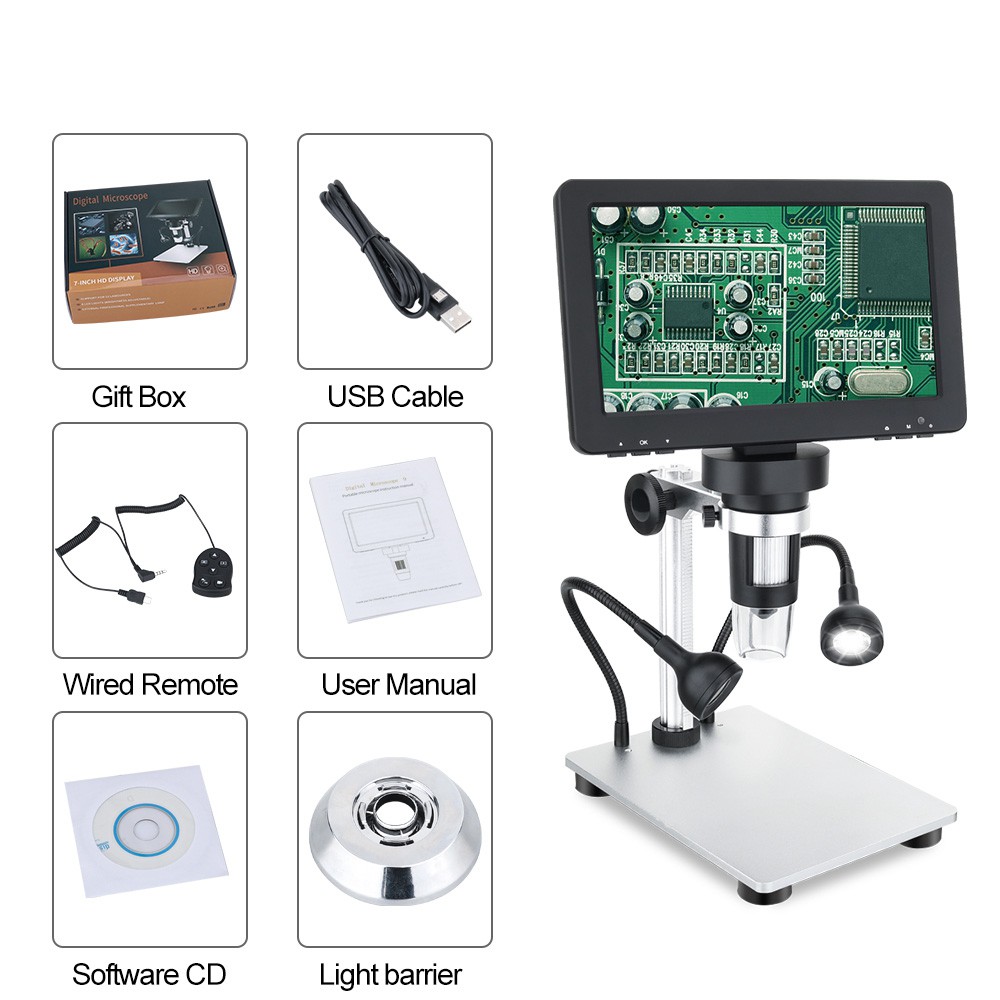
Digital microscopes are also known by many other names, such as digital microscopy systems, photo microscopes, camera/video microscopes, or CCD microscopes. A digital microscope is a device that combines a traditional optical microscope with an imaging lens; in other words, it is a standard optical microscope equipped with a microscopic imaging module, which can be either a digital camera or a specialized microscope camera. It converts real images viewed under the microscope from analog to digital signals, enabling display on a computer.
Digital microscopes are high-tech products successfully developed by seamlessly integrating sophisticated optical microscopy technology, advanced photoelectric conversion technology, and conventional display technology. As a result, research in the microscopic field has shifted from traditional binocular observation to real-time display on monitors, greatly improving work efficiency. They are mainly used for educational purposes.
The main advantages of digital microscopes are as follows: traditional optical microscopes can only be used by one person at a time, making image sharing difficult, and capturing microscopic images usually requires additional specialized equipment. By contrast, digital microscopes can be connected to computers, allowing images to be projected via classroom projectors so that all students can view them simultaneously, which also helps maintain classroom order.
Digital microscopes reduce eye strain, allow observed images to be captured and stored, and meet the demand for low-cost simultaneous viewing by multiple users. They also support versatile functions such as measurement, printing, and photo capture.
There are six major differences between digital microscopes and conventional microscopes:
They feature a microscopic imaging function that allows observed microscopic views to be saved as document files for sharing among relevant departments; ordinary microscopes only permit viewing through eyepieces and do not support image capture.
They can connect to computers for simultaneous viewing by multiple people; conventional microscopes allow only single-person observation.
Previewing on a computer screen reduces eye fatigue; ordinary microscopes require constant viewing through eyepieces, which easily causes excessive eye strain.
The imaging system of digital microscopes supports measurement, printed reports, video recording, and other functions; conventional microscopes only support basic microscopic observation.
Digital microscopes represent a new era in the development of modern scientific instruments, with numerous functions not available on ordinary microscopes. They have developed rapidly in scientific research, product inspection, teaching demonstrations, archaeology, and other fields.