Differences Between Megohmmeter and Multimeter
A megohmmeter is used to measure insulation, for example, testing motors. It can output high voltage above 500 V, while a multimeter produces a very low output voltage and cannot measure the insulation level of electrical appliances.
A megohmmeter (Megger), commonly known as a megger tester, is mostly powered by a hand-cranked generator, hence also called a hand-crank insulation tester. Its scale is calibrated in megohms (MΩ).
A megohmmeter is a common measuring instrument for electricians. It is mainly used to check the insulation resistance to earth and between phases of electrical equipment, household appliances and electrical wiring. This ensures that such equipment, appliances and circuits operate normally and prevents accidents such as electric shock injuries and equipment damage.
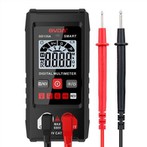
A multimeter, also referred to as a multi-tester, is an indispensable measuring instrument in power, electronics and other fields. It is primarily used to measure voltage, current and resistance.
Multimeters are categorized by display type into analog multimeters and digital multimeters. They are multi-function, multi-range instruments.
A typical multimeter can measure DC current, DC voltage, AC current, AC voltage, resistance and audio level. Some models can also measure capacitance, inductance and certain semiconductor parameters (such as beta β).
Both megohmmeters and multimeters can measure resistance, so they may seem interchangeable. However, a megohmmeter is designed for measuring high resistance values, mainly the insulation resistance of electrical equipment in the megohm range or higher. Most multimeter ranges work in the ohm range; when measuring very high resistance, the multimeter will show an overrange/infinite reading and cannot display valid values.
Therefore, a multimeter cannot replace a megohmmeter.
A megohmmeter is a high-resistance meter, while an ordinary multimeter is a medium-resistance meter. A megohmmeter only measures resistance, whereas a multimeter can measure not only resistance but also voltage, current, transistors and more. Megohmmeters are generally used to measure insulation resistance between electrical equipment and earth, providing a basis for the preliminary judgement whether equipment can be put into service.
The ohm range of a multimeter is mainly used to measure the resistance of components and test cable continuity. When a megohmmeter is unavailable during maintenance, it may also give a rough estimate of the equipment's (or appliance's) insulation resistance to earth.
Appendix 2: A megohmmeter is used for insulation measurement, for example, motor testing. It can output high voltage above 500 V, while a multimeter outputs low voltage and cannot assess the insulation condition of electrical devices.