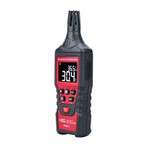
Experts help you solve minor problems with pH meter electrodes
1. What are the materials of electrodes? pH electrode shells generally use PC plastic (polycarbonate) shells and glass shells. PC shells are resistant to collision and impact, but the applicable temperature is <80oC. And it is susceptible to corrosion in high alkaline solutions and some media. The glass shell is suitable for temperatures of 0-150oC and is generally not corroded except by hydrofluoric acid solutions, but is easily damaged by collisions. Stainless steel, PTFE, metal, etc.
2. What are the different uses of different materials of electrodes? PC plastic, polycarbonate, PC shell is resistant to collision and impact, but the applicable temperature is <80oC. Polytetrafluoroethylene electrode is corrosion-resistant and is commonly known as the king of plastics, except for some organic solvents. Glass electrodes can withstand high temperatures, resist corrosion (except hydrofluoric acid), and are easily broken. If the medium contains HF and is non-corrosive and has a temperature of 0-100 degrees Celsius, you can use stainless steel electrodes; if the medium contains organic solvents, you can use polytetrafluoroethylene electrodes, which can withstand high temperatures, around 280 degrees Celsius; PH electrodes have the highest The temperature can reach 130 degrees Celsius. If the temperature is higher than 130 degrees Celsius, it is recommended to use imported electrodes.
3. What is the lifespan of the electrode in normal use?
Generally, electrodes are used for half a year to one year. This depends on the working conditions, and some are used for one and a half to two years. Imported ones may last 3-5 years, but they are expensive!
4. How to protect the electrode? (1) The glass film at the lower end of the glass electrode is easily broken, so avoid contact with hard objects. (2) When used for the first time, the spherical glass membrane part should be soaked in distilled water day and night. It should also be soaked in distilled water when not in use, so that the soaking procedure can be simplified the next time it is used. (3) When measuring a strong alkaline solution, operate as quickly as possible and wash with water immediately after the measurement to prevent the alkali from corroding the glass film. (4) The glass film must not be stained with oil. If this happens, first immerse it in distiller's grains, then put it in ether or carbon tetrachloride. Then move it to alcohol. Finally, rinse it with water and soak it in water. (5) The organic glass tube on the electrode plug has excellent insulation properties and should not come into contact with chemicals or oil.
5. What should I do if I don’t use the electrode for a long time? Storage and cleaning of acidimeter (ph meter) glass electrode: short-term: store in buffer solution with pH=4; long-term: store in buffer solution with pH=7. Contamination of the glass electrode bulb may lengthen the electrode response time. Wipe away dirt with CCl4 or soap, then soak in distilled water for a day and night before continuing to use. When the pollution is serious, it can be soaked in 5% HF solution for 10 to 20 minutes, rinsed immediately with water, and then immersed in 0.1NHCl solution for one day and night before continued use.
6. What are the differences between the service life and price of domestic electrodes and those of imported electrodes? The service life of domestic electrodes is not as long as that of imported electrodes. Under normal circumstances, it can be used for about 2-3 years, while domestic electrodes can be used for 1-1 and a half years under normal circumstances, except under special circumstances. But the price of domestic electrodes is cheaper than imported electrodes.
7. What are the characteristics and functions of self-cleaning electrodes?
Install an ultrasonic device near the pH meter probe, which emits ultrasonic waves to automatically clean the pH electrode. The intensity of the ultrasonic wave is achieved by adjusting the oscillation frequency of the ultrasonic wave. It is installed in a longitudinal manner, that is, the ultrasonic probe is installed below the electrode. We use a combination of ultrasonic cleaning and solution jet cleaning to automatically clean the pH meter electrodes.