Fault Analysis and Diagnosis of Low Voltage Distribution Lines
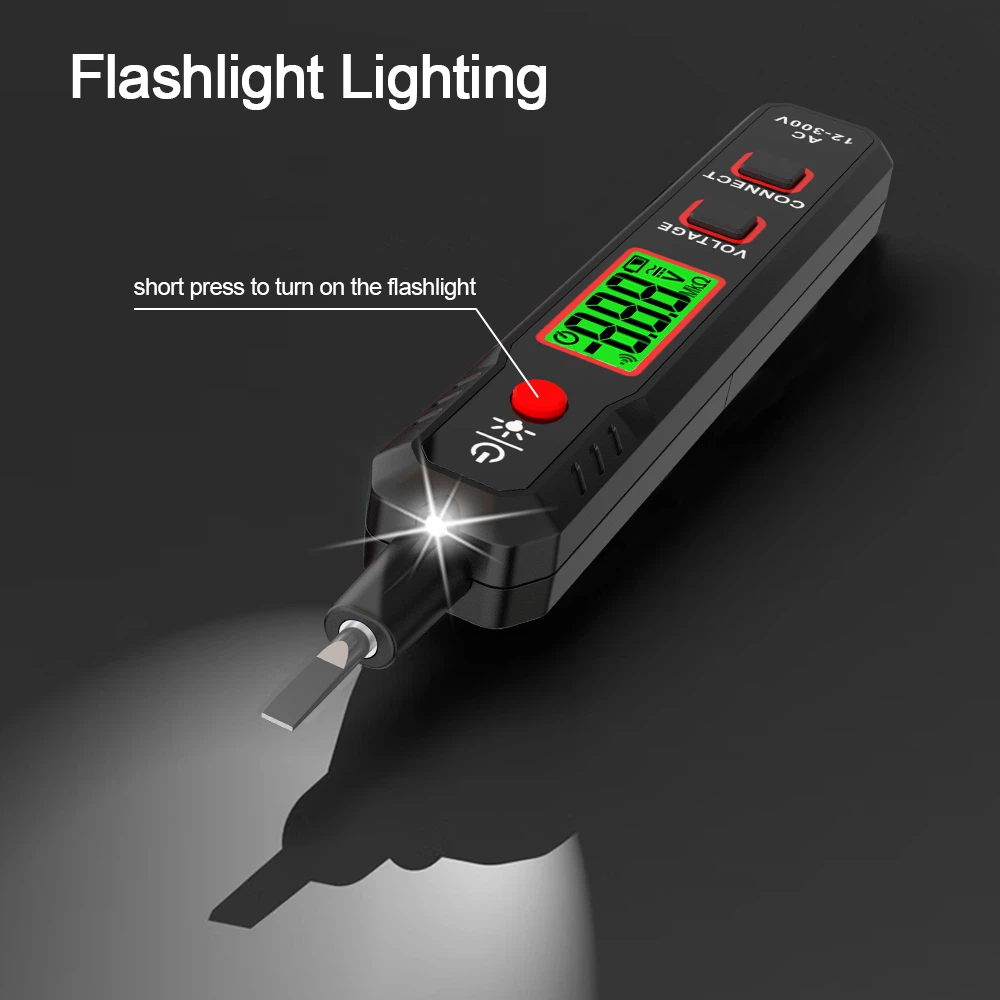
(1) Single-phase power failure. Single-phase cannot use electricity, and the voltage cannot be measured with a multimeter, and the two wires of the phase are not lit or both are lit with a test pen: if the phase breaks, the test pen does not light, if the neutral line is broken, after passing through the load circuit, 2 wires The lines are all bright. Use the electric test pen to measure the phase line or neutral line to the bright and dark place, which is the fault breaking point.
(2) One of the three phases is broken. Use a multimeter to measure the voltage of the two phase lines to the neutral line is normal, one phase line has no voltage to the neutral line, the voltage between the two lines of the three-phase phase lines is 0.4kV, and one line has no voltage to the other two. When the test pencil measures the broken wire, the phase test pencil will not light up. Use the electric test pen to measure the dead phase to the bright and non-lit parts to find the fault point.
(3) The single-phase phase line is grounded. Since the low-voltage residual current total protectors of many transformers are out of operation for various reasons, such faults are not impossible to occur. It is not very serious single-phase grounding, it is normal to measure with a test pen, and the voltage of the fault line is low when measured with a multimeter, while the voltage of the other two phases is high. It is also very important that the current flowing out of the transformer must return to the transformer. After grounding, there will be current between the neutral point of the transformer and the grounding wire of the transformer, and there will be a voltage to ground on the grounding wire of the transformer. die. The search method is to disconnect the branch line so that the ground current disappears to judge the fault branch, and use a clamp ammeter to measure the branch line greater than or equal to the ground current to the place where the current disappears to find the fault point.
(4) Poor contact of wires. When there is no load or light load, it is normal to use the electric test pen and the multimeter, and the voltage is not or low after the load is applied. It is best to use the disconnection method to find the fault point with a single-phase load.
(5) The three-phase four-wire system breaks the neutral wire. Because the load tails of each phase are connected together, the current of one phase can flow through the other two phases. At this time, if the resistance or load of the three phases is the same, then the voltage of each phase is the same. If they are different, the voltage of the phase with the larger resistance is higher, which is Became what we commonly call the neutral point displacement. It is basically normal to measure with the electric pen, and the voltage between the phase lines is also normal with the multimeter. The voltage of the phase line to the neutral line is different and one phase is too high. Use a clamp multimeter to measure the presence or absence of voltage on the neutral line to find the disconnection point of the neutral line.
(6) High voltage breaks one phase line. Since the general 10kV transformer uses three-wire power supply, the transformer core is three-column type, one phase is not bright or not very bright when measured with a test pen, and two wires are normal when measured with a multimeter, while the voltage between the other two is low. It is best to disconnect the high-voltage line without load at low voltage, and after withdrawing the capacitor of the compensation transformer, patrol the high-voltage line to find the fault point.