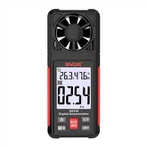
Fault detection of four in one gas detector
The four in one gas detector is a single or multiple gas detector that can be flexibly configured. It can be equipped with oxygen sensors, combustible gas sensors, and toxic gas sensors, or any of the four gas sensors or any of the single gas sensors. The four in one gas detector has a very clear large LCD display screen, backlight lighting, and sound and light vibration alarm prompts, Ensure that hazardous gases can also be detected in very unfavorable working environments and prompt operators to prevent them in a timely manner.
The principle of the detection part of the four in one gas detector is that when the concentration of the combustible gas being tested exceeds the limit value, the amplified bridge output voltage is matched with the circuit detection set voltage. Through a voltage comparator, the square wave generator outputs a set of square wave signals, controls the sound, light detection circuit, and buzzer to generate continuous sound, and the LED flashes to emit a detection signal. From the principle of the four in one gas detector, it can be seen that if electromagnetic interference occurs, it will affect the detected signal and cause data deviation; If there is a collision or vibration that causes a circuit break in the equipment, the detection will fail; If the environment is too humid or the equipment is flooded, it may also cause a short circuit in the four in one gas detector or a change in the circuit resistance value, leading to detection faults.
Formaldehyde is a colorless and easily soluble irritating gas. Particleboard, density board, plywood and other man-made boards, adhesives and wallpaper are the main sources of formaldehyde in the air, with a release period of 3 to 15 years. It can be absorbed through the respiratory tract, and the harm of formaldehyde to the human body has the characteristics of long-term, latent, and hidden. Long term inhalation of formaldehyde can cause serious illnesses such as nasopharyngeal cancer and laryngeal cancer.
For example, after formaldehyde is connected to paper, the test drug contained in the paper will react with formaldehyde to form a compound, and the color will change from white to yellow. The degree of discoloration can reflect the amount of reflected light received. The rate of change in the intensity of reflected light can serve as a response to gas concentration. By setting the detection line in advance, the concentration of the gas can be determined by the response value of the detected object gas.
The four in one gas detector consists of two parts: detection and detection, with detection and detection functions. The principle of the detection part of the four in one gas detector is that the sensor of the instrument uses detection elements, fixed resistance and zero Potentiometer to form a detection bridge. The bridge circuit uses platinum wire as the carrier catalytic element. After being energized, the temperature of the platinum wire rises to the working temperature, and air reaches the surface of the element through natural diffusion or other means. When there is no combustible gas in the air, the output of the bridge circuit is zero. When there is combustible gas in the air and it spreads to the detection element, flameless combustion will occur due to catalysis, which will raise the temperature of the detection element, increase the resistance of the platinum wire, and make the bridge circuit out of balance, so there is a voltage signal output. The voltage is proportional to the concentration of combustible gas. The signal is amplified and converted to analog digital, Display the concentration of combustible gases through a liquid display.