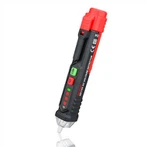
Fluid solenoid valve tells the application scope of infrared thermometer
The infrared thermometer is non-contact, lightweight, durable and easy to use. At the same time, the infrared thermometer provides precise temperature values with an accuracy of 1-4% and a maximum temperature measurement distance of up to 180 feet. Making it a cost-effective diagnostic and preventative tool during electrical system and equipment maintenance inspections. Humidity sensor probe, , Stainless steel electric heating tube PT100 sensor, , Cast aluminum heater, Heating ring Fluid solenoid valve
Infrared thermometers are used in the electrical field to prevent equipment failure and unplanned downtime in the following applications.
1. Connectors - Electrical connection parts will generate heat due to loose connection points; repeated heating (expansion) and cooling (contraction); dust, carbon deposition, corrosion and other factors. Non-contact infrared thermometers can quickly identify abnormal temperature rises and alert you to serious equipment problems.
2. Motor - In order to extend the service life of the motor, always check the power connection and the temperature of the circuit breaker (or heater) for any abnormalities.
3. Motor bearings – The detection of bearing points can monitor hot spot changes before equipment failure, and carry out planned maintenance or component replacement in advance.
4. Motor winding insulation – The infrared thermometer measures the temperature of the motor winding insulation to maximize the service life of the winding insulation.
5. Phase-phase measurement – By monitoring the phase-phase temperature of cables and connectors of induction motors, large computers and other equipment, the temperature differences can be determined.
6. Transformer – Check the winding temperature of the air-cooled unit to see if there are hot spots indicating winding defects.
7. Uninterruptible power supply – Detect local hot connections in the UPS output filter. If a cold spot appears, it may indicate that the DC filter circuit is open.
8. Backup battery – Monitor the correctness of low-voltage battery connections to prevent poorly connected batteries from heating up and causing terminal posts to burn.
9. Ballast – Check in advance to prevent the ballast from overheating and causing smoke and burn.
10. Public equipment – Infrared thermometers can easily detect the hot spots of equipment connections, cable joints, transformers and other equipment.