Function of Crystal Oscillator in Laser Rangefinder
A laser rangefinder is an instrument that measures the distance to an object using laser technology. It calculates the distance from the object to the rangefinder by measuring the propagation time of laser pulses in air. Below is a detailed introduction to the working principle of the laser rangefinder and the function of the crystal oscillator within it.
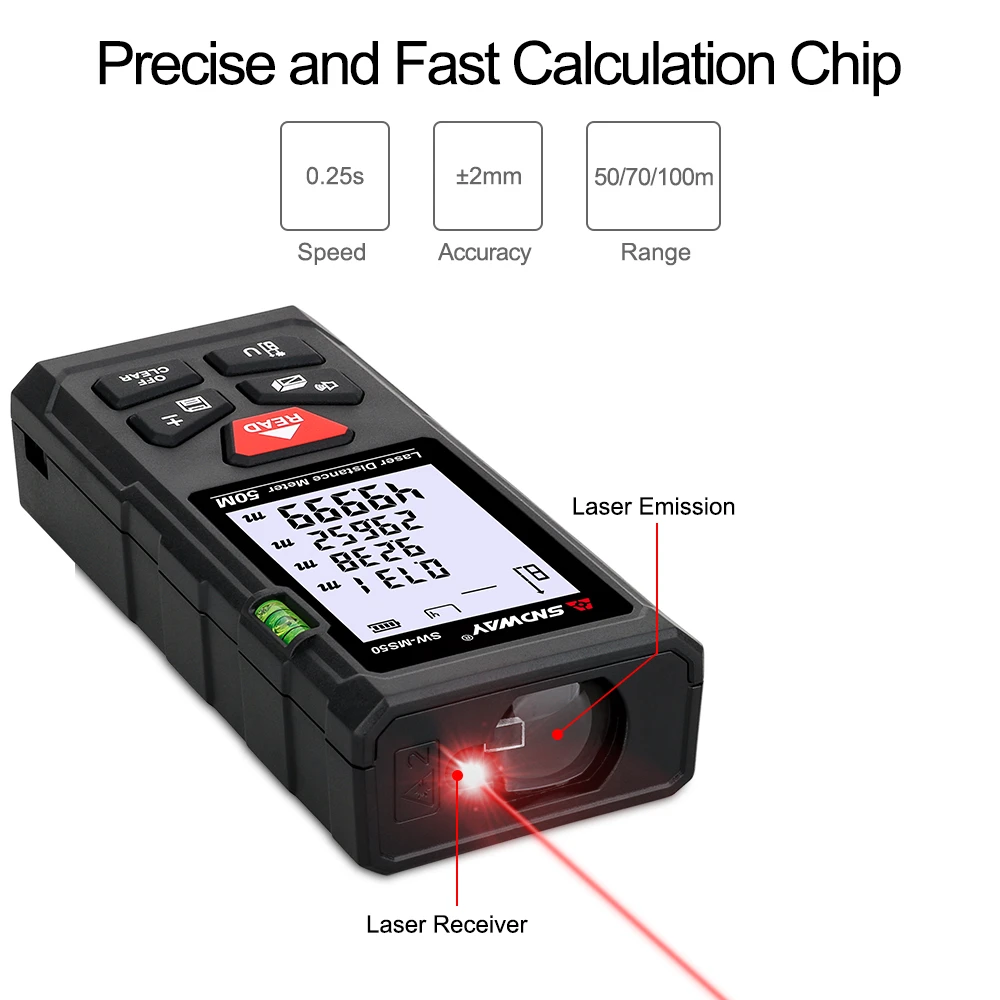
The working principle of a laser rangefinder mainly consists of three parts: laser emission, laser reception and distance calculation. First, the laser transmitter emits a highly focused laser pulse, and the optical system focuses the beam into an extremely small spot. The laser beam is then sent toward the object and reflected back to the laser rangefinder.
Next, the laser receiver measures the round-trip time of the laser pulse by capturing the laser signal. When the laser pulse returns, the receiver detects the signal and converts it into an electrical signal. The receiver then sends the received signal to the distance calculator.
Within the distance calculator, the distance from the object to the rangefinder is computed based on the round-trip time of the laser pulse and the speed of light. The speed of light in air is a known value; therefore, the distance can be calculated accurately once the round-trip time of the laser pulse is measured.
A crystal oscillator plays an important role during the operation of a laser rangefinder. A crystal oscillator is a device that converts electrical energy into mechanical vibration energy. In the laser rangefinder, the crystal oscillator converts electrical energy into mechanical vibration energy to generate stable laser pulses.
The stability of the crystal oscillator has a significant impact on the measurement accuracy of the laser rangefinder. Firstly, the vibration frequency of the crystal oscillator directly determines the timing precision of laser pulse transmission and reception. If the crystal oscillator frequency is unstable, the laser rangefinder cannot accurately measure the round-trip time of laser pulses, which in turn affects the accuracy of distance calculation.
Meanwhile, the stability of the crystal oscillator is also related to the long-term service of the laser rangefinder and environmental changes. The vibration frequency of the crystal oscillator may be affected by temperature, humidity, vibration and other factors, causing variations in the measurement accuracy of the laser rangefinder. To maintain the accuracy of the laser rangefinder, the crystal oscillator must feature high stability and deliver reliable operation under different environmental conditions.
In addition, the crystal oscillator needs to provide sufficient amplitude to produce stable laser pulses. The optical system in the laser rangefinder imposes high requirements on the quality of laser pulses, which must have high intensity and stability. As the energy source for laser pulses, the crystal oscillator must have adequate amplitude to meet the requirements of the optical system.
In summary, the laser rangefinder measures object distances by adopting laser technology. The crystal oscillator serves a critical role: it provides stable vibration frequency and sufficient amplitude to guarantee laser pulse quality and ranging accuracy. The stability of the crystal oscillator greatly influences the measurement precision of the laser rangefinder. Therefore, crystal oscillators with reliable quality and good stability must be selected during the design and manufacturing of laser rangefinders to ensure their accuracy and reliability.