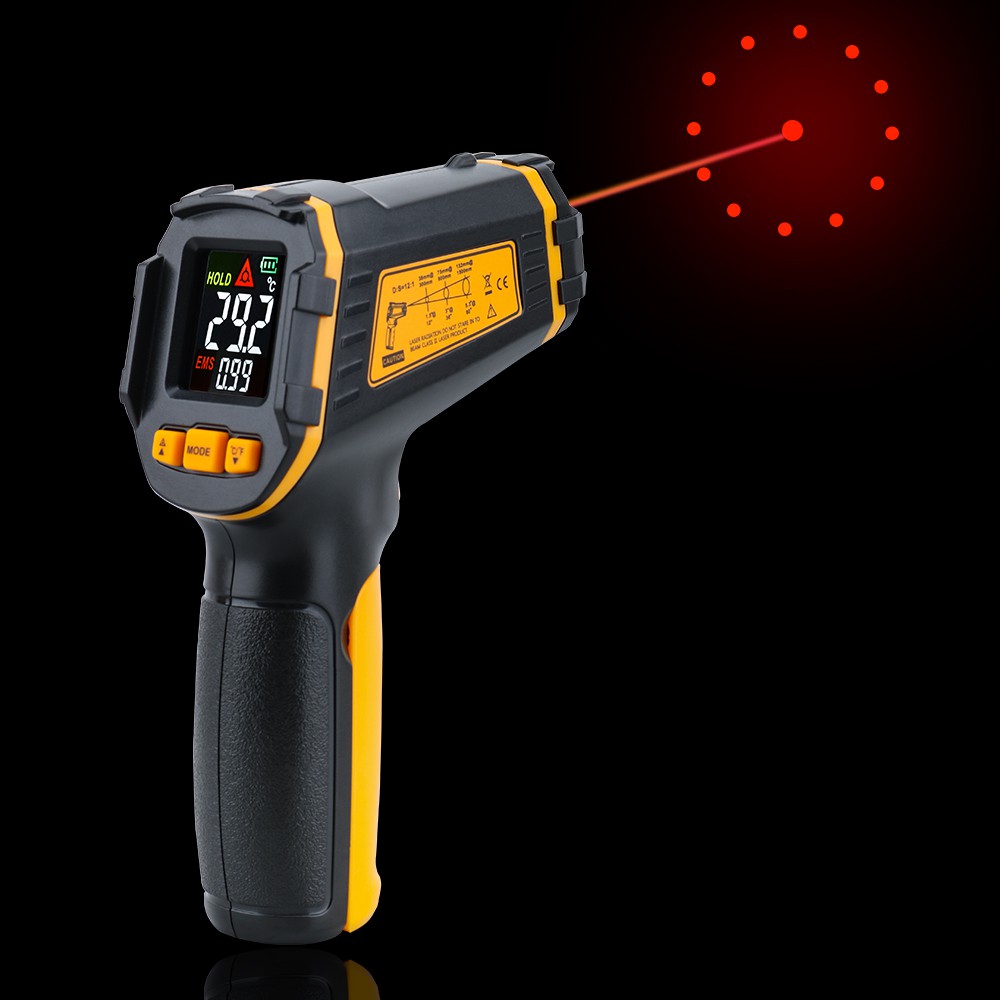
General Technical Specifications for Rapid Human Body Thermometers
According to explanations from well‑known domestic experts, the national standard General Technical Specifications for Rapid Human Body Temperature Screening Instruments was issued by the General Administration of Quality Supervision, Inspection and Quarantine and the Standardization Administration of China. This standard defines a more scientific official name for commonly used rapid infrared temperature measuring devices: infrared human body surface temperature tester, simply referred to as human body thermometer.
The newly released standard is a recommended national specification. Formulated amid the special period of SARS prevention and control, it guides manufacturers to improve the product quality of infrared screening equipment.
Infrared human body thermometers are non‑conventional devices for dedicated applications. They are designed to rapidly screen crowds and identify individuals with a body temperature exceeding 38 °C or other preset threshold values, serving as typical screening instruments. Widely deployed in public venues, they have played a vital role in identifying potential SARS cases and curating the spread of infectious diseases.
Currently, sensors adopted in mainstream infrared screening devices feature a wide measurement range. A broader range tends to increase measurement errors within critical temperature intervals. Meanwhile, common defects among such equipment include high overall measurement uncertainty and inconsistent temperature deviations between units of the same model under identical conditions. Without unified specifications, product quality remained unstable. To address this issue, the Standardization Administration of China jointly with relevant authorities launched the emergency formulation of the national standard on May 9.
General Technical Requirements for Rapid Human Body Thermometers
Experts pointed out that non‑contact rapid infrared screening devices operate under highly variable ambient conditions and measure targets with vastly different thermal emissivity. It is therefore difficult for the standard to set unified limits on fixed temperature values, correction parameters and measuring distances. While complying strictly with standard provisions, manufacturers shall conduct sufficient tests to determine applicable measuring distances, specified temperature points and correction coefficients. All relevant parameters shall be clearly stated in product manuals and technical documents as required.
Main Applications of Human Body Thermometers
This equipment is mainly used for body temperature detection in public areas including ports of entry, airports, stations, docks, hospitals, government offices, factories, schools, hotels and office buildings. It enables rapid screening of febrile individuals to reduce cross‑infection and contain the spread of epidemics