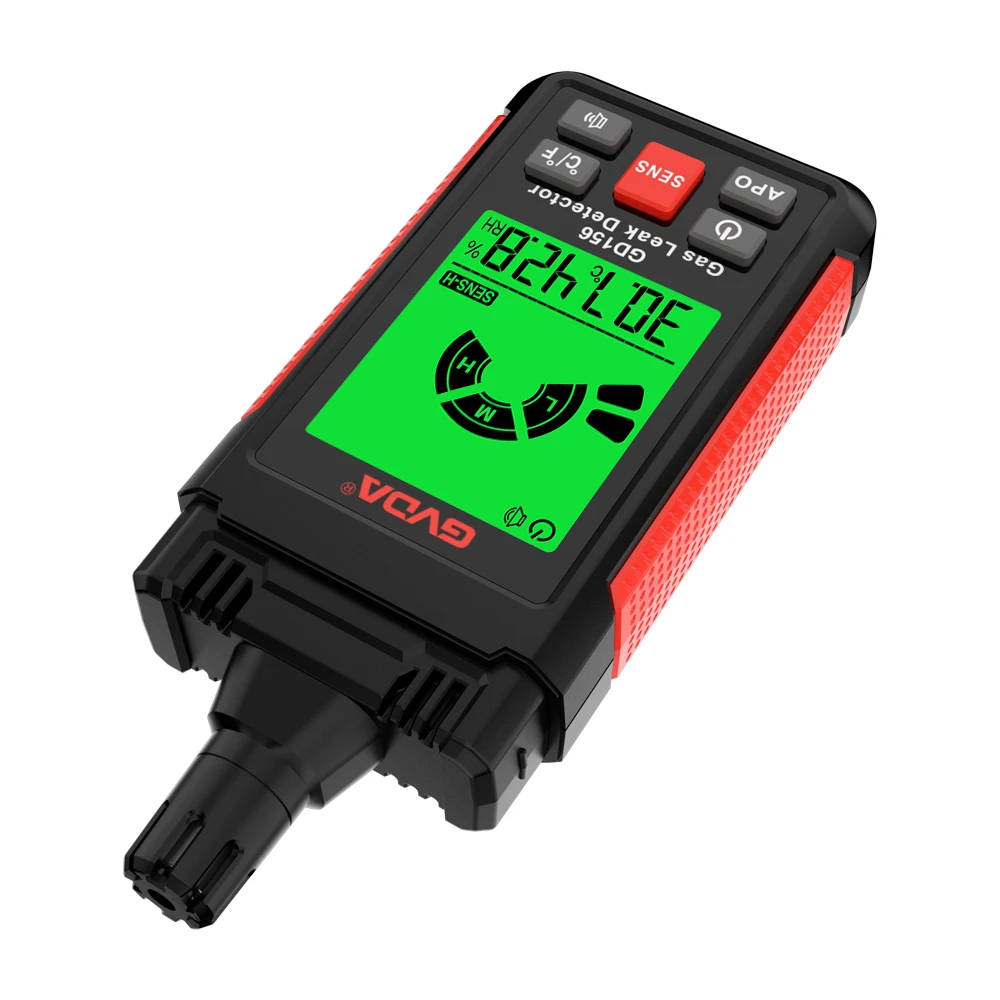
Guidelines for the Proper Use of Combustible Gas Detectors
Gas detectors are essential alarm devices mandated by national work safety regulations, which can effectively prevent explosions and poisoning accidents caused by gas leaks. Given their critical importance, how should we select and purchase qualified products? Taking our ZR-UHZ magnetic flap level gauge as a reference, we will analyze practical methods to judge whether a combustible gas detector can function properly and reliably.
Many customers have the same question: after purchasing a combustible gas detector, how can I verify its performance? The testing method is straightforward. Most workshops reserve test gas for inspection. Pour a small amount of test gas or liquid into a mineral water bottle and tighten the cap. Puncture a tiny hole on the cap with a sharp object, aim the hole directly at the detector probe, and observe whether the reading on the detector display changes.
Special reminders: Some combustible substances exist in liquid form with slow volatilization. Shake the bottle continuously during testing to speed up gas evaporation. In addition, fixed gas detectors mostly adopt natural diffusion sampling. The device will only respond when leaked gas diffuses to the sensor position.
If the above method is inconvenient and conditions permit (referring to our ZR-UHZ magnetic flap level gauge for operational logic), a lighter can be used for a quick test: ignite the lighter, blow out the flame while keeping the gas valve open to release fuel gas, and aim the air outlet at the detector probe. Do not keep the test going for too long. The gas released by lighters has an extremely high concentration; prolonged exposure will exceed the detector's measuring range and shorten the service life of the sensor over repeated misuse.
erifying the accuracy of readings is relatively more complicated. You need standard calibration gas with known precise concentration values, then compare the detector's displayed value with the standard concentration. Within the allowable error range stipulated by national standards, consistent or minimally deviated readings prove the detector measures accurately.
When the detector fails to display readings on site, follow these troubleshooting steps: First check the power supply condition. Excessively fluctuating or unstable input voltage will lead to measurement errors. The rated power supply voltage for most detector probes ranges from 10V to 30V. Operation beyond this voltage scope will cause abnormal readings.