1: Use only filters produced by the manufacturer.
Filters shield the interior of gas detection apparatus from dust, liquids, and other hazardous elements that could harm the apparatus. If the proper filter is not used, the gas detector may need maintenance sooner or more frequently than it would if the proper filter were used.
2: Check the operation of your pump if you can.
The pumped detector cannot effectively extract the sample if the pump is constrained. By placing a finger on the inlet, you can check the pump's operation before utilizing the monitor. The pump should be in good working order if a pump stall is triggered.
3. Avoid exposing the LEL sensor to toxic gas.
LEL first? We measure the effectiveness of gas detection in two units. LEL and ppm. Lower Explosive Limit, or LEL, is a measure of the compound's atomic percent (vol) content. The lowest concentration of a flammable substance that, when ignited, can start a fire or explode is 100% LEL. Silicone, lead, or sulfur-containing substances can immediately halt the LEL sensor's reaction. Replace the filter and make sure the LEL sensor is working properly if you think the gas detector has been exposed to any poison. If you choose to clean the gas detector, avoid using solvents because they may also contain sensor poisons and instead wash it off with a moist towel.
LEL stands for (Lower Explosive Limit) and is a percentage of the atomic % (vol) content of the compound.
4: Crash test per use
If you crash test the gas detector before each use, the calibration frequency can be extended to 3 to 6 months when the gas detector successfully passes the crash test. Bump testing means holding the gas detector at a level of calibration gas just high enough for it to alarm. Using this method, only sensor functionality is ensured. For crash testing, calibration gas is required. A crash test checks that the gas detector is working properly.
5: Regularly calibrate gas detectors
Start by calibrating a new gas detector once a week. If few or no adjustments are required after a few weeks, reduce the frequency of calibration to the point where only small changes are required when doing calibration. Finally, the calibration frequency will end between 1 and 3 months.
6: Fresh air calibration in fresh air only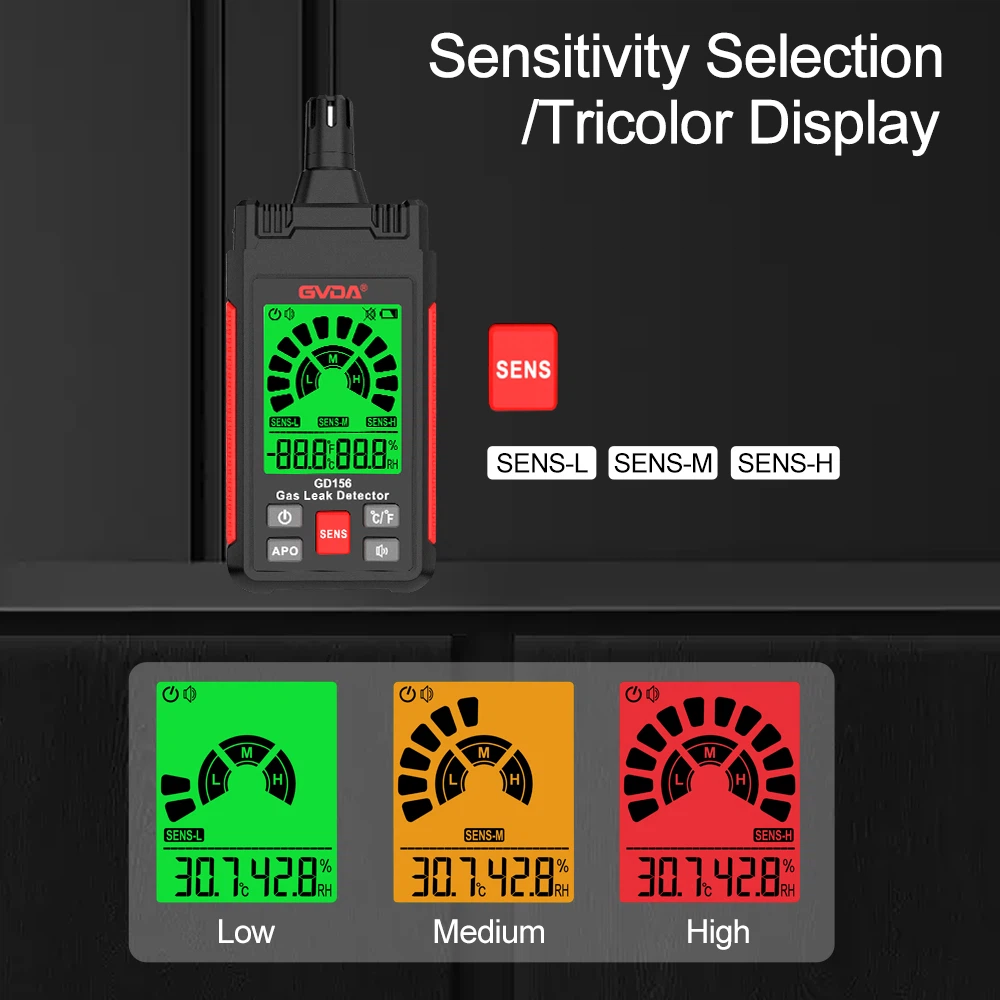
A bug that often leads to false readings is poor fresh air calibration. Managing a fresh air calibration in a production line or garage where toxic gases or flammable items are present can result in negative readings. If you don't have access to fresh air, use a zero air calibration bottle.
7: Do not use expired calibration gas
Gas detectors must be calibrated with a calibration gas that has not passed its expiration date (more information on calibration gases and their expiration dates). Calibrating a gas detector with expired calibration gas may result in improper calibration and may result in incorrect identification of the instrument in good working order. A faulty calibration can eventually lead to unsafe working conditions.
8: Replace the gas detector sensor on time
Common sensor types used in gas detectors are electrochemical sensors, catalytic sensors, photoionization (PID) sensors, infrared sensors, current sensors, and semiconductor sensors. It is very important to keep the equipment as new. If the old sensors are out of date, they must be replaced with new ones. (More about gas detector sensors and which sensors are used in gas detectors)