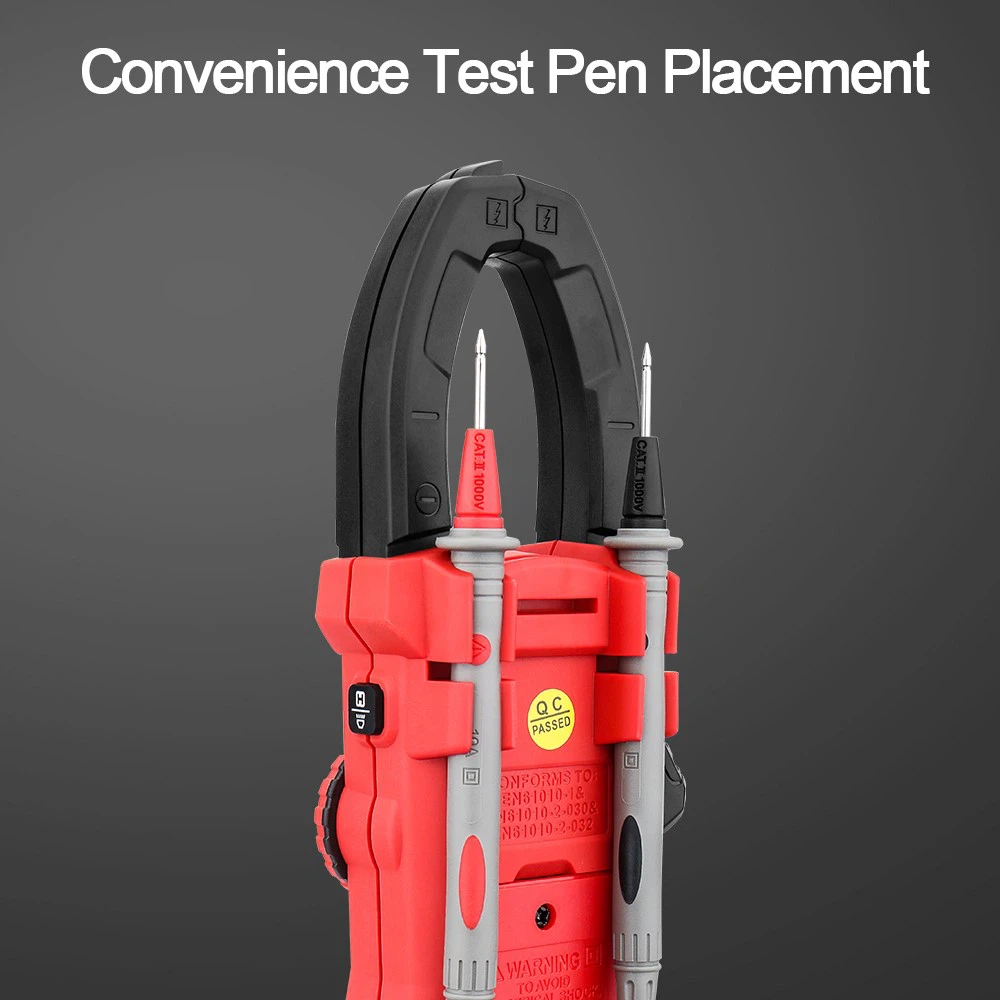
High and low voltage clamp current safe operation and use process
1) In any case, special attention should be paid to safety when using this meter, especially when measuring more than AC100V
2) When using voltage lines and above.
3) If continued use of this instrument will cause danger, stop using it immediately, seal it up immediately, and have it handled by an authorized agency.
4) For the danger signs on the instrument and manual, users must follow the instructions for safe operation.
5) There are extreme danger signs in the instrument and manual. Users must strictly follow the instructions for safe operation.
6) It is recommended that the instrument be tested for dielectric strength at least once a year. (AC100kV/rms Section 5 between the insulating rod and the high-voltage detector shell)
7) Type B (wireless data transmission type) marked with "*" in the manual.
8) If the voltage of the line under test exceeds 600V, an insulating rod must be connected.
9) Because high-voltage lines are dangerous, operators must undergo strict training and obtain relevant national certification
10) Only high-voltage operation certification can be used for on-site testing with this instrument.
11) It is strictly forbidden to use this instrument to test uninsulated wires or busbars.
12) Pay attention to the label words and symbols on the panel and back panel of this instrument.
13) Do not place or store the instrument in places with high temperature, humidity, condensation or direct sunlight for a long time.
14) When replacing the battery, please pay attention to the battery polarity. If the instrument is not used for a long time, please remove the battery.
15) Disassembly and repair of this instrument must be performed by authorized personnel.
16) If the clamps and other parts of this instrument are damaged, please do not use it.
17) Avoid impacting the pliers, and maintain the instrument regularly. Do not use corrosives or rough materials to clean. Use a soft cloth (such as glasses cloth), dip it in a clean, anti-rust and dehumidifying lubricant (such as WD-40), and wipe it gently. Just the instrument.