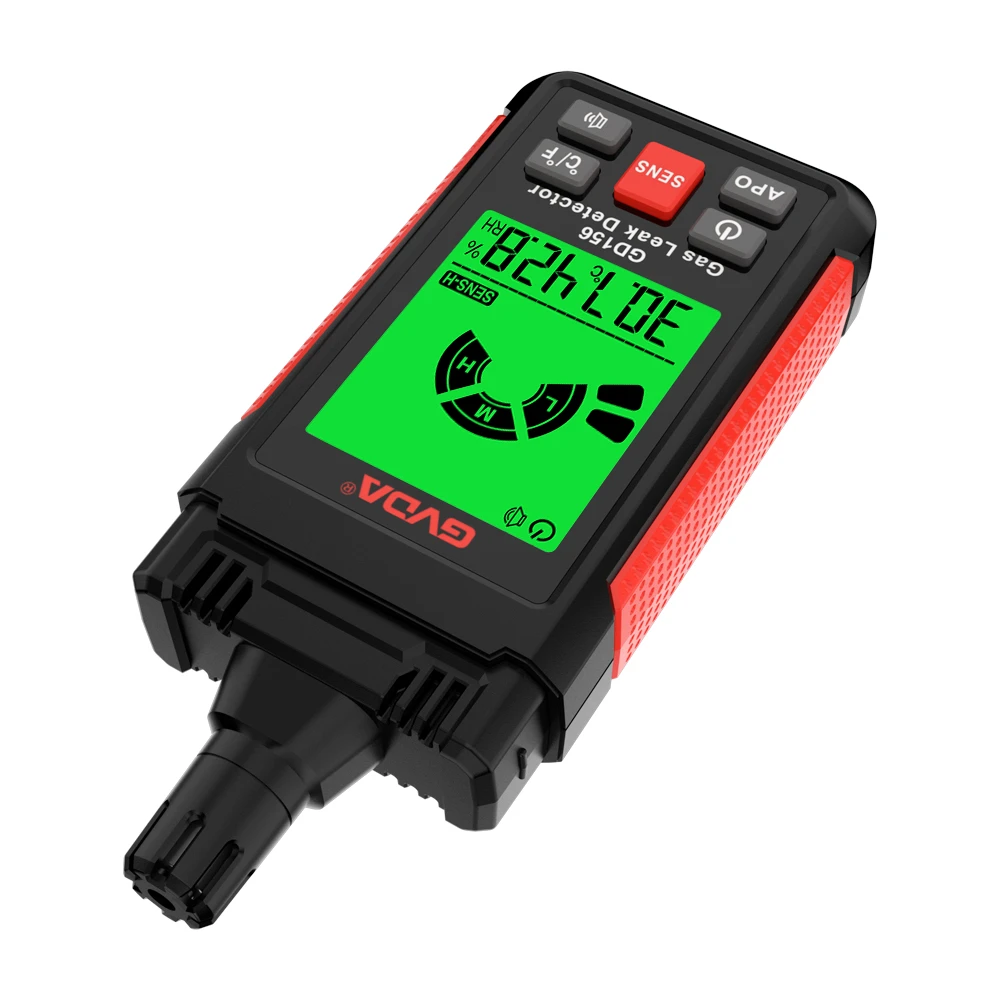
How to apply gas detectors in underground mines
Mining accidents occur every year, and the dangers of underground work are evident to all. However, in order to develop resources, underground work cannot be avoided. Therefore, we must be prepared in terms of settings, and gas detectors are one of them. We need to use gas detectors to analyze the distribution of air underground in order to start normal work. Gas detectors are crucial in underground applications!
A gas detector is a sensor that detects the composition and concentration of gases. It greatly reduces the occurrence of some potential mining accidents for jobs (mines) with hidden safety hazards.
Regarding the development and application of gas detectors, research reports published by the National Institute of Occupational Safety and Health in the United States and the National Occupational Safety and Health Administration have shown that many fatal accidents in confined spaces are related to the gas composition of the space in which they are located. And these hazardous components may have already existed before workers entered the confined space, or may have formed due to their activities within it. The vast majority of accidents occur due to a lack of detection of hazardous gases by workers before entering and during their work in confined spaces. All these studies indicate the importance of hazardous gas detectors in various stages involving confined space entry.
The gas components in mines represent various hazardous situations, including toxic gases such as carbon monoxide, carbon dioxide, nitrogen oxides, sulfur dioxide, etc., as well as situations of insufficient oxygen. In some cases, methane may also reach a concentration that produces an explosion. Due to the lack of any warning characteristics of methane, it may accumulate to an immediate explosive concentration when workers become aware of the danger. The appearance of any fire source, such as a miner's lamp, can cause an explosion accident.