How to Choose and Use Gas Detectors Well
1. Confirm the type and concentration range of the gas to be detected
Gas detectors are widely used in industries such as petrochemicals, environmental protection, gas, and coal mines. For various safety production occasions and detection requirements, selecting a suitable gas detector is crucial for every person engaged in safety and health work.
Confirm that the type and concentration range of the gas to be detected are different for each production department. When choosing a gas detector, it is important to consider all possible scenarios. In the mining environment of coal mines, methane and less toxic alkanes are mostly present, so choosing a combustible gas detector is undoubtedly the most suitable option.
This is not only because the detection principle of combustible gas detectors is simple and widely used, but also because they have the characteristics of convenient maintenance and calibration. If there are toxic gases such as carbon monoxide and hydrogen sulfide, priority should be given to selecting a gas detector that simultaneously detects combustible gas, carbon monoxide, hydrogen sulfide, and oxygen to ensure the safety of workers. If there are more organic toxic and harmful gases, considering their lower concentrations that may cause personnel poisoning, such as aromatic hydrocarbons, halogenated hydrocarbons, ammonia (amines), ethers, alcohols, lipids, etc., PID photoionization detectors should be chosen instead of combustible gas detectors, as this may lead to personal injury or death. If the gas types cover the above types of gases, choosing a composite gas detector may achieve twice the result with half the effort
2. Determine the usage situation
(1) Fixed gas detector
This is a commonly used detector in industrial installations and production processes. It can be installed at specific detection points to detect specific gas leaks. Fixed detectors are generally divided into two types. The detection probe composed of sensors and transmission components is installed on the detection site, and the secondary instrument composed of circuit, power supply, and display alarm device is installed in a safe place for easy monitoring. Fixed gas detectors are more suitable for the continuous and long-term stability required for detection in terms of process and technology. It also needs to be selected based on the type and concentration of on-site gas, and attention should be paid to installing them in the most likely leak location of a specific gas, such as selecting an effective height for sensor installation based on the specific gravity of the gas.
(2) Portable gas detector
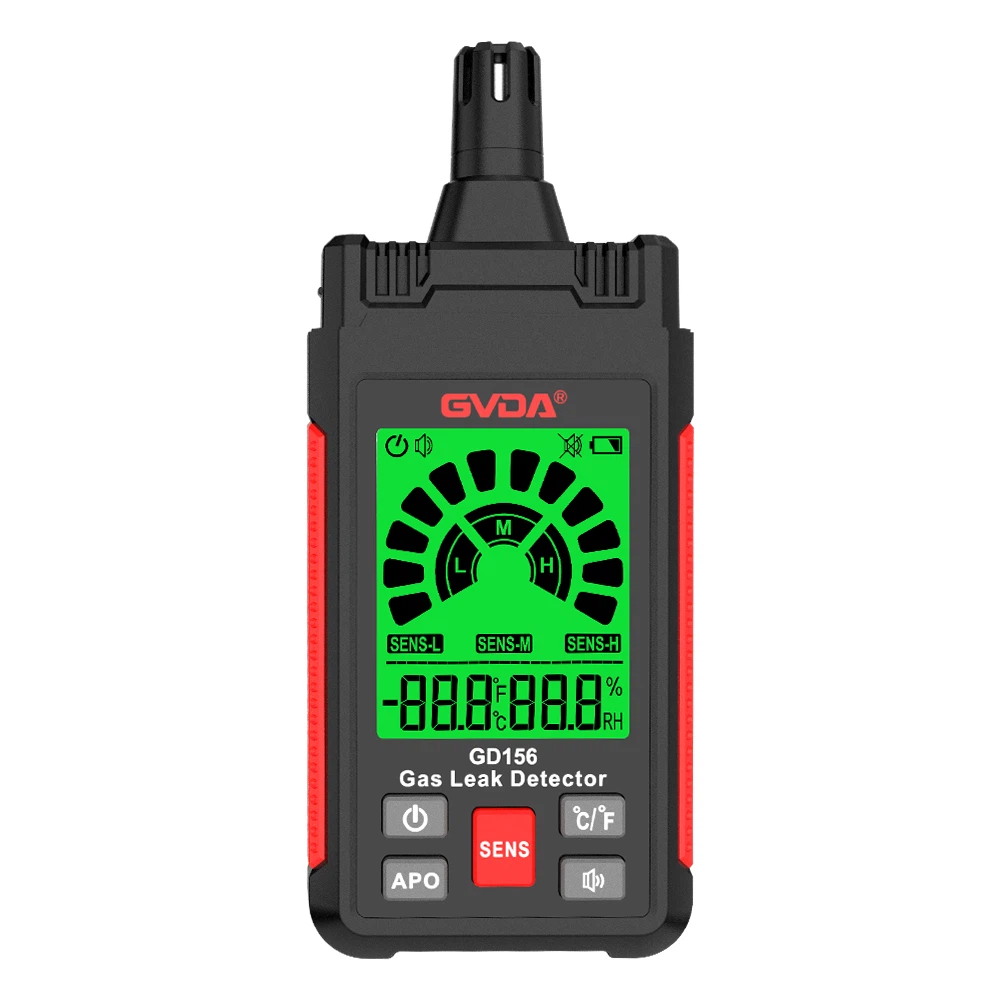
Due to the convenient operation and compact size of portable instruments, they can be carried to different production locations. The detector of electrochemical sensors is powered by alkaline batteries and can be used continuously for 1000 hours; New types of combustible gas detectors, PID photoionization detectors, and composite detectors use rechargeable batteries (some have already used memoryless nickel hydrogen or lithium-ion batteries, making them generally able to work continuously for nearly 12 hours. Therefore, as such instruments, they are increasingly widely used in various factories and health departments.