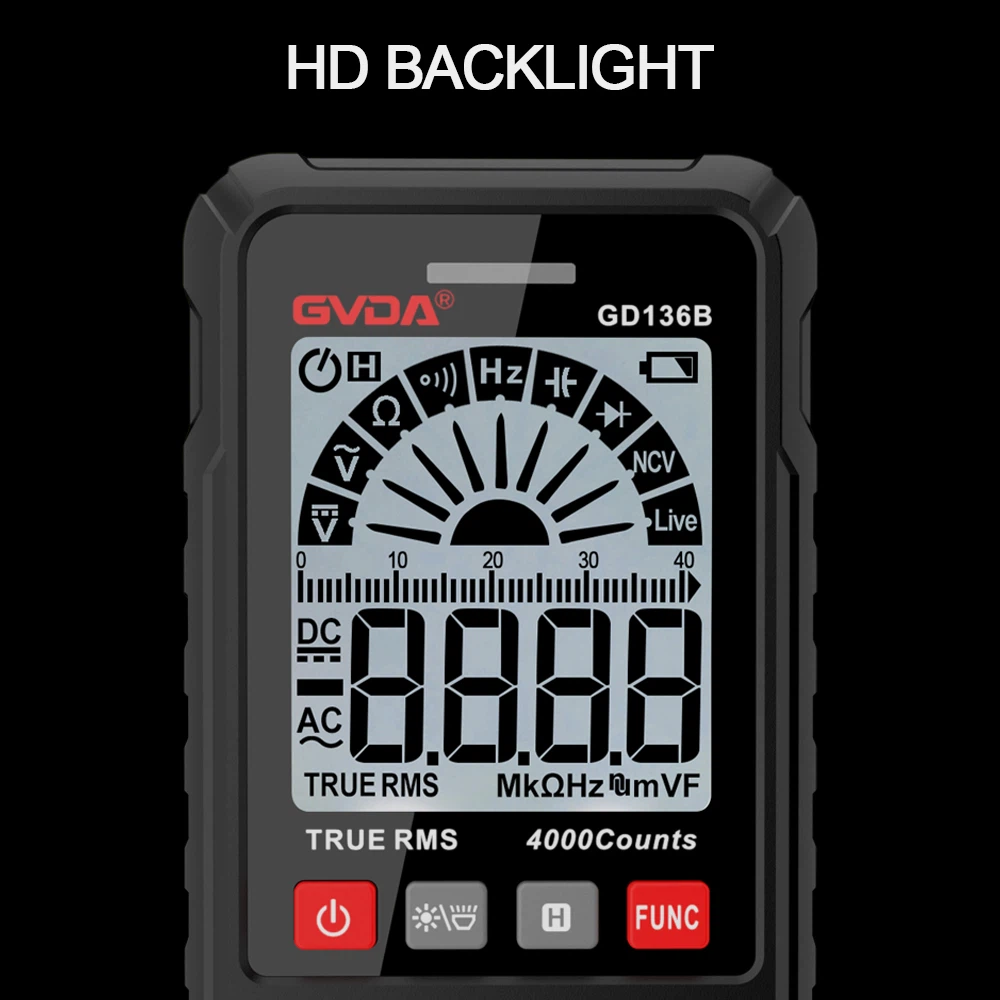
How to measure if a wire is leaking electricity using a digital multimeter
There are two methods to measure whether a wire is leaking to the ground with a multimeter: one is live measurement. Set the multimeter to AC mode and measure the voltage between the equipment casing and the ground when the equipment is powered on. A voltage of several tens of volts is generally induced electricity, and a voltage exceeding one hundred volts can determine that the equipment is leaking. This detection method is generally not recommended. The second method is to disconnect the power supply and measure the insulation resistance between the live wire, neutral wire, live wire, and ground wire. If measured with a multimeter, it may not be very accurate. For accuracy, another instrument, a shaking table, should be used. If measured with a multimeter, it usually shows severe leakage, with resistance values ranging from a few hundred ohms to several tens of ohms.
Measurement method of digital multimeter:
1. Set the multimeter to AC mode and measure the voltage between the device casing and the ground wire (confirm it is the ground wire) when the device is powered on. If the voltage range is several tens of volts or one hundred and ten volts, it indicates induction electricity. If it is 220V or 380V, it indicates leakage.
2. Set the multimeter to AC mode and measure the voltage between the device casing and the neutral wire when the device is powered on. If the voltage range is several tens of volts or one hundred and ten volts, it indicates induction. If it is 220V or 380V, it indicates leakage.
But strictly speaking, when measuring the insulation resistance of a circuit to determine if there is leakage, a megohmmeter should be used. A megohmmeter is equivalent to a 1000V or 500V generator, and the leakage current passes through the sampling resistor inside the megohmmeter, generating a sampling voltage reading on the resistor. Normally, a stable resistance greater than 0.5 megaohms is considered qualified.
The method is as follows:
1. Power off the equipment, fully discharge it, take safety measures and hang warning signs, then disconnect the two side terminals of the cable for testing. Never allow live measurement of equipment to ensure personal and equipment safety.
2. Before measurement, check whether the megohmmeter is in normal working condition, mainly checking its "0" and "∞" points. Shake the handle to reach the rated speed of the motor. The megohmmeter should indicate the "0" position when short circuited and the "∞" position when open circuited.
3. The "L" wire terminal is connected to the conductor of the tested equipment, the "E" ground terminal is connected to the equipment casing, and the "G" shielding terminal is connected to the insulation part of the tested equipment. Rotate the shaking meter at an average speed of 120 revolutions per minute. If the reading is stable and greater than 0.5 megohms, it is considered qualified. Otherwise, the insulation degree is insufficient and there may be leakage.