How to Measure Leakage and Short Circuit with a Multimeter
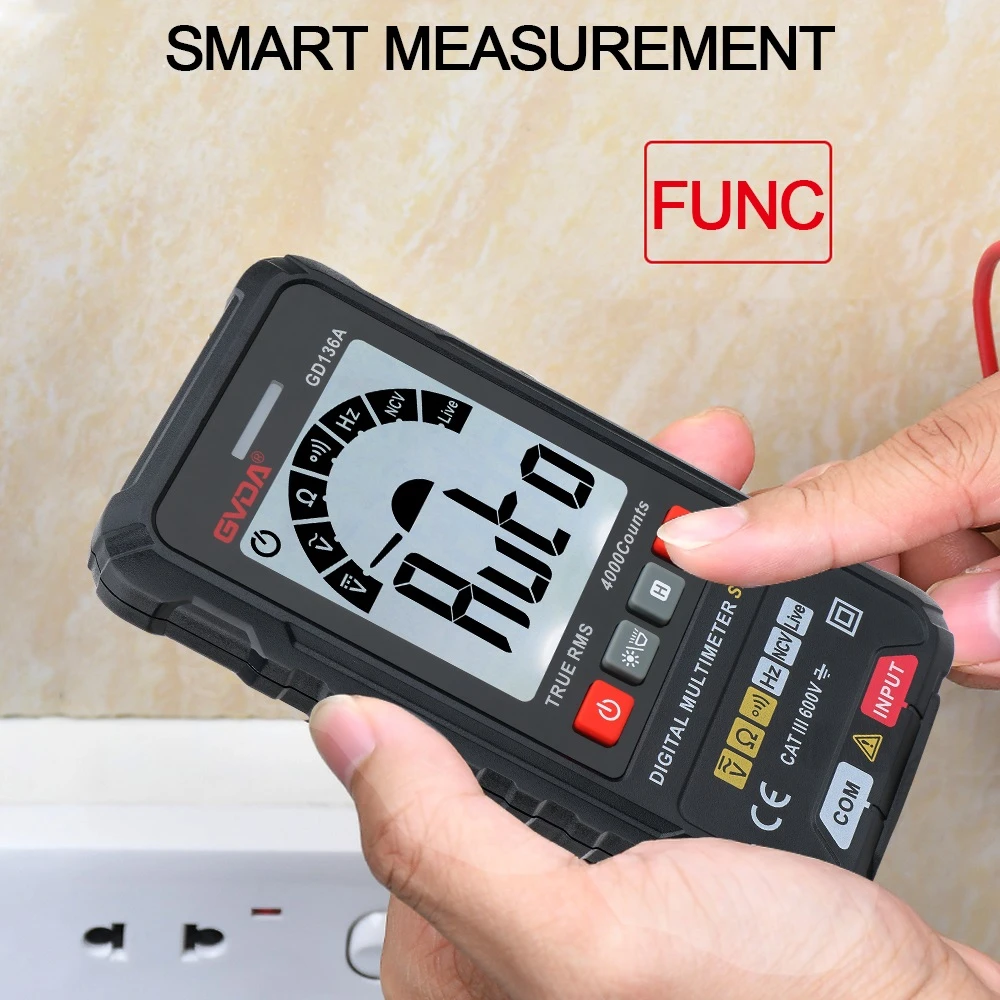
① Select an appropriate measurement range: Before using the multimeter, first determine the voltage, current or resistance range of the circuit under test, then select the corresponding measurement range. Generally, choose a range slightly higher than the expected value to ensure measurement accuracy and safety.
② Prepare the test leads: A multimeter usually has two test leads. The red one connects to the positive terminal or red jack; the black one connects to the negative terminal or black jack. Before measurement, make sure the test leads have good contact and are free from breakage or wear.
③ Connect the circuit: According to the parameters to be measured, connect the red test lead to the positive pole of the circuit under test and
the black test lead to the negative pole, and ensure firm connections.
④ Select measurement mode and function: Multimeters are equipped with various measurement modes and functions, such as DC voltage, AC voltage, DC current, AC current and resistance. Select the proper measurement mode and function as required, and turn the rotary knob or press the button of the multimeter to the correct position.
⑤ Perform the measurement: After connection and setup are completed, you may start measuring. Read the value displayed on the multimeter according to the selected mode; this is the voltage, current or resistance of the circuit under test. Keep the test leads stably connected to the circuit while reading to avoid measurement errors.
⑥ Power off the circuit and back up data: After measurement, cut off power to the circuit under test promptly for personal safety. If measurement results need to be recorded, write down the readings or back them up to a computer or other device before the next measurement to prevent data loss.