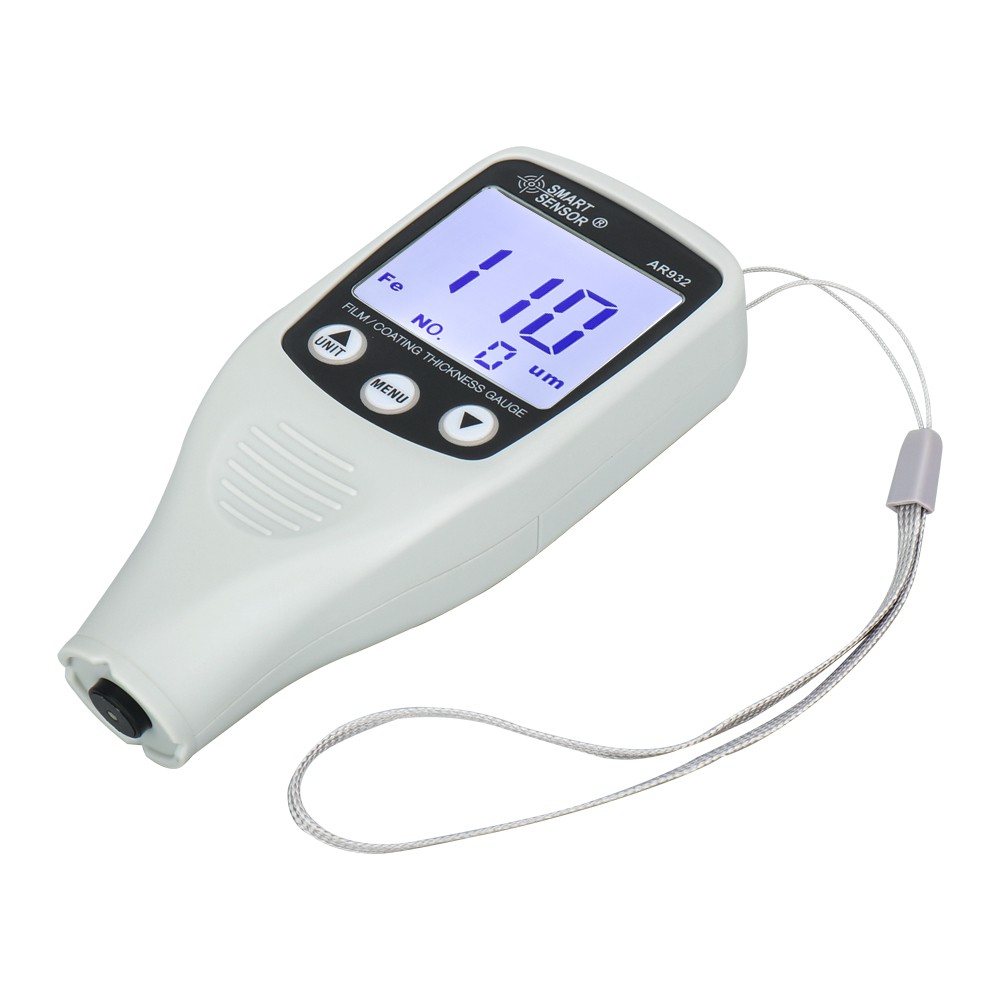
How to perform system calibration for coating thickness gauge
The coating thickness gauge has an instrument calibration before each use, but the measurement data is still inaccurate? Generally speaking, customers use the random calibration matrix of the thickness gauge for calibration, so that the matrix of the customer's own product is required to be exactly the same as the material of the random matrix. This situation is basically impossible, and this is what we want to emphasize. Customers must choose the same uncoated workpiece as the product they measure for zero point calibration, and then use calibration and plastic film for calibration on it, so that the measurement data is reliable. The method and type of calibration, system calibration, zero-point calibration and two-point calibration have actually been written in the manual, and users only need to read it carefully. It should be noted that when calibrating the iron base, it is necessary to measure several times to prevent wrong operation; the samples for system calibration should be carried out in order from small to large. Be sure to use the same shape, the same material, the same roughness of the calibration matrix for zero calibration.
Will the coating thickness gauge that has been calibrated by the instrument still have problems in actual use? When calibrating the coating thickness gauge, generally speaking, the calibrator has a set of accurate calibration sheets to verify the coating thickness gauge, whether the coating thickness gauge is qualified or not, but many customers do not check the previous Calibration sheets used for external calibration (usually plastic sheets), we only use accurate calibration sheets in actual use, so that it is meaningful to do instrument calibration, because the calibration sheet is a plastic sheet, it is inevitable to wear and tear, it is recommended to be 2 years Change the left and right to a standard film that has passed the national test.