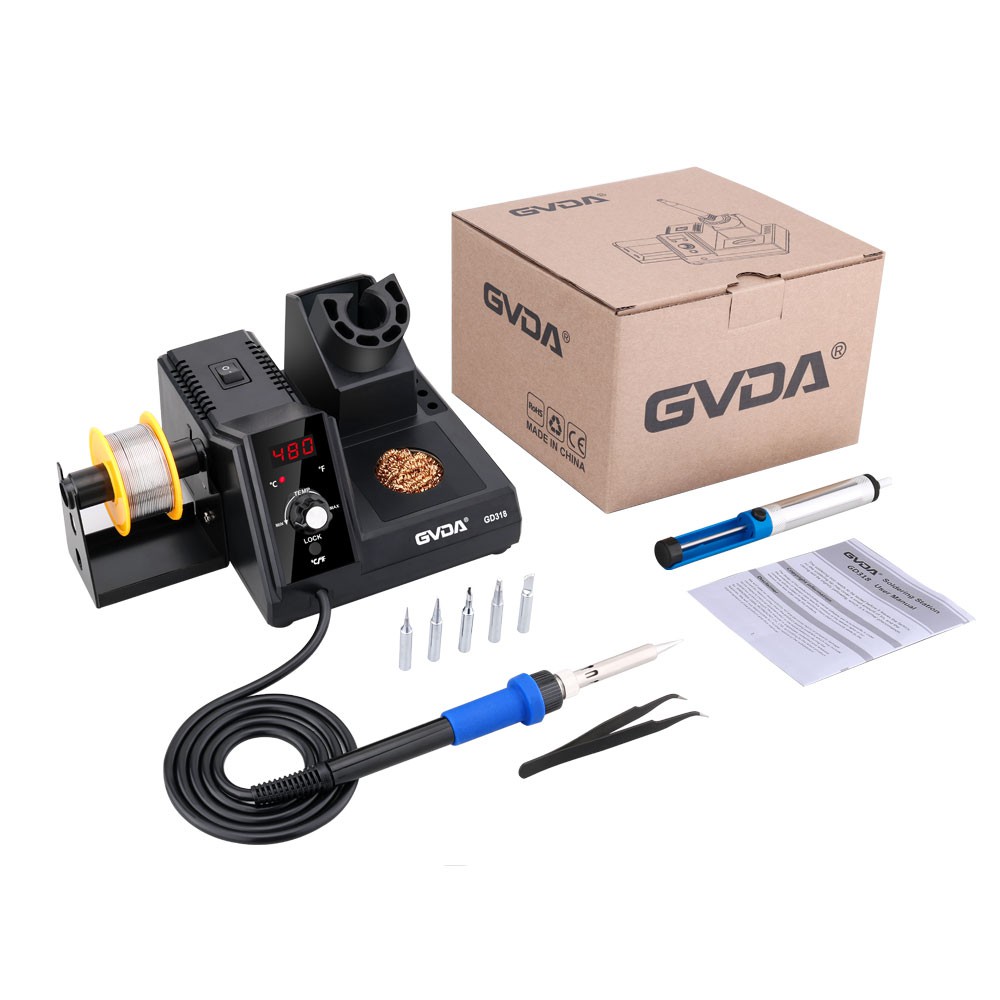
An electric soldering iron is a crucial equipment for manufacturing electronic products and maintaining electrical systems. A high-power electric soldering iron and a low-power electric soldering iron are two categories for tin-type electric soldering irons, respectively, based on their respective purposes.
The earth resistance test (cold/hot state), leakage voltage test, and leakage current test are the three components of the soldering iron test.
1. Grounding resistance test of electric soldering iron in cooling state:
In the case of no power, contact one end of the multimeter pen with the grounding end of the power plug, and the other end with the tip of the soldering iron to test the data;
2. Grounding resistance test of electric soldering iron in heating state:
Plug in the power supply, turn on the electric soldering iron, contact one end of the multimeter pen with the grounding end of the socket, and the other end with the test board that is in contact with the electric soldering iron, and measure the result;
3. The soldering iron leakage voltage test and leakage current test are similar to the resistance test method. It should be noted that the multimeter needs to be switched gears or the position of the multimeter pen line needs to be adjusted when measuring the current.