How to troubleshoot a four-in-one gas detector?
The four-in-one gas detector is a common gas detection equipment and is widely used in industrial safety, environmental monitoring and other fields. During use, various faults may occur with the four-in-one gas detector, so how to eliminate these faults?
1. Appearance inspection: Check whether the appearance of the four-in-one gas detector is intact and whether there is any damage, deformation, etc. If the appearance is damaged, you need to contact the manufacturer for repair or replacement.
2. Power supply check: Check whether the power supply of the four-in-one gas detector is normal. If the power is not working properly, there may be a problem with the power cord or battery. And check whether the battery is fully charged. If the battery power is low, it needs to be charged or replaced in time.
3. Sensor inspection: The sensor of the four-in-one gas detector is one of the key components. If the sensor fails, it will affect the normal operation of the equipment. The status of the sensor needs to be checked regularly, including sensitivity, response time, etc. If the sensor is abnormal, it needs to be replaced or repaired in time.
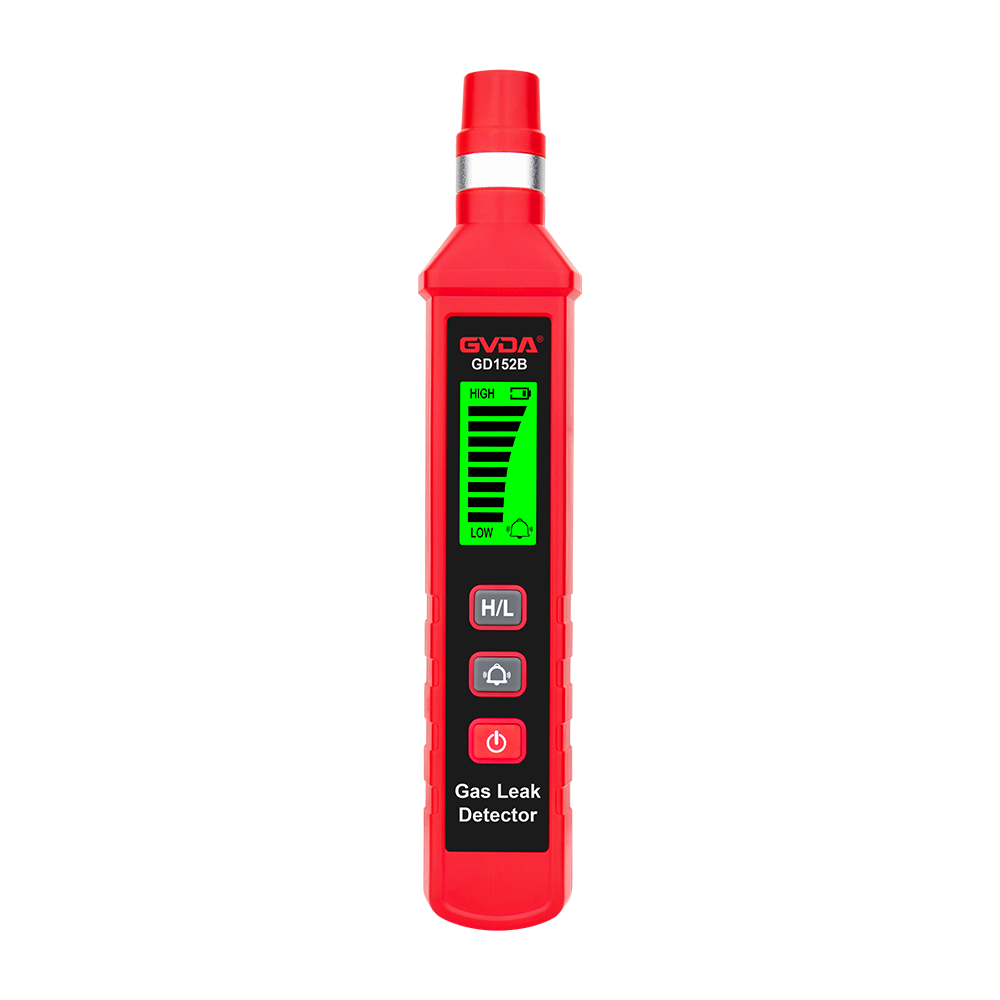
4. Display panel inspection: The display panel of the four-in-one gas detector is the interface for users to interact with the device. If the display panel fails, it will affect the user experience. It is necessary to check whether the brightness and clarity of the display panel are normal. If the display panel is abnormal, it needs to be replaced or repaired in time.
5. Alarm function check: The alarm function of the four-in-one gas detector is one of the important functions to ensure the normal operation of the equipment. It is necessary to check whether the alarm function is normal, including alarm threshold settings, alarm sound and light prompts, etc. If the alarm function is abnormal, it needs to be adjusted or repaired in time.
6. Data transmission function check: The data transmission function of the four-in-one gas detector is one of the key functions to achieve remote monitoring and data recording. It is necessary to check whether the data transmission function is normal, including data transmission speed, data accuracy, etc. If the data transmission function is abnormal, it needs to be adjusted or repaired in time.