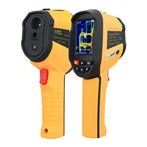
How to use a gas detector
Step 1: Check the gas detector
When we use a gas detector to prepare to enter the detection site, we must perform corresponding tests on the gas detector. What needs to be tested is whether the gas detector can work normally, such as whether the sensor is normal, whether the battery is sufficient, and whether the various alarm functions are Normally, these are all items that must be tested, but now many instruments have built-in detection functions and will self-check when they are turned on, such as BW solo detectors or Methian detectors, etc.
Step 2: Determine the location of the inspection site
Before using a gas detector to enter the site, we need to determine the site conditions, such as possible gas leaks, and the gases we need to detect. We should take corresponding protective measures in advance according to various gases, especially if it is toxic gas. Take good protective measures, such as air respirators, gas masks, etc.
Step 3: Start testing
After entering the detection site, we detect the gases that need to be detected in the environment, and place the portable gas detector probe in the environment to be measured. When there is leakage of the measured gas, the concentration displayed value becomes larger. When the alarm setting is exceeded, When the value is set, the alarm indicator light will light up and an alarm sound will sound at the same time. When the probe moves to the leak source, the value displayed on the concentration display of the gas detector increases and the reading is recorded.
Step 4: Testing completed
After completing various tests in the environment, we need to transmit the test data to facilitate later research and management. Some gas detectors can directly transmit the test data to electronic products such as computers through Bluetooth and wireless transmission. Just turn off the gas detector after transmission.
Step 5: Charge
When the gas detector has insufficient power, we cannot use the gas detector for detection, and the gas detector will send out a low-power alarm signal. This is when we turn off the power and use the charger to charge the battery. Each charge takes about 10-14 hours. !You can continue to use it after charging is completed. However, some 2-year maintenance-free gas detectors such as Dräger PAC6000 gas detector or Methian Skyhawk maintenance-free gas detector do not need to be replaced during the 2-year use period. Battery.
Step Six: Maintenance and Calibration
After using the gas detector, we should clean and maintain the gas detector regularly. We should calibrate the gas detector after half a year or one year of use. Calibration is to ensure that the gas detector has no detection error, so gas detection needs to be done regularly. Calibrate the instrument.