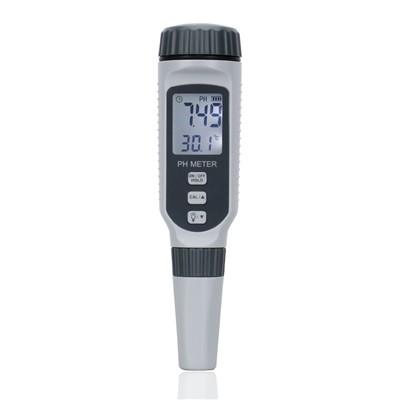
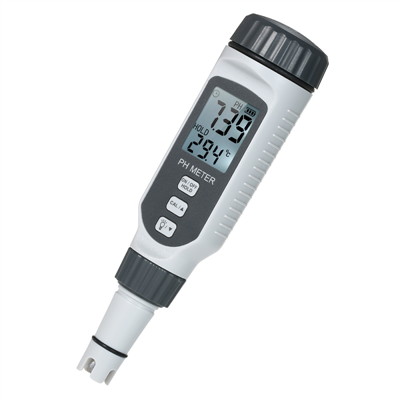
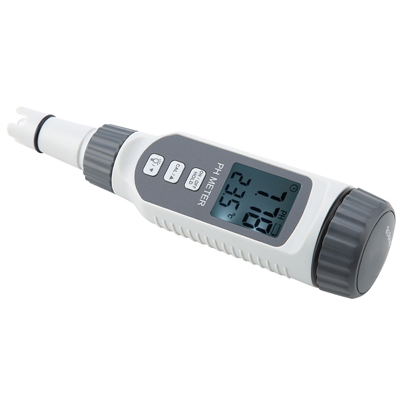
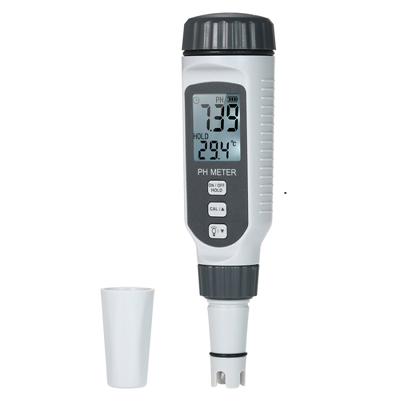
How to use a multimeter and a rocking meter
1、The basic use of multimeter
There are various kinds of digital and structure of multimeter, when using it, only by mastering the correct method can we ensure the accuracy of the test results and the safety of people and equipment!
(1) The use of jacks and transfer switches
First of all, according to the purpose of the test to choose the location of the jack or transfer switch, due to the use of measuring voltage, current and resistance, etc. alternately, be sure not to forget to change gears. Do not use the current measurement or resistance measurement gear to negotiate the voltage. If the DC current or resistance to measure the 220 AC voltage, the multimeter will immediately burn out ~
(2) Use of test pens
Multimeter has a red, black pen, do not look at it there are two, the use can not be used freely, is also a great learning experience, if the position is connected to the reverse, connect the wrong, will bring the possibility of measuring and testing the wrong or burn the head. General red pen for " ", black pen for " - ".
Table pen inserted into the multimeter jack must be strictly according to the color and positive and negative insertion. Measure DC voltage or DC current, be sure to pay attention to the positive and negative polarity ~ no current, the pen in series with the circuit, measure the voltage, the pen in parallel with the circuit, can not be wrong ~
(3) How to read correctly
Multimeter should be used before checking whether the pointer is in the zero or eight broken bit, such as not pointing to zero, can be adjusted on the cover of the mechanical regulator, adjusted to zero~.
Multimeter has more than one scale, must recognize the corresponding reading scale, can't figure to save the trouble surface and the AC and DC scale arbitrarily mixed, more can't look at the wrong~.
Multimeter the same measurement items have more than one range, such as DC voltage range 1V, 10V, 15V, 25V, 100V, 500V, etc., range selection should be made so that the pointer full scale 2/3 near. Measurement of resistance, the finger should be pointed to the center of the file more clouds near the value of electric Yin, so that the measurement is accurate ~
2, the measurement of commonly used devices
(1) resistance measurement
With the multimeter did not measure the resistance, the first should be shorted to the pen, twist the zero potentiometer zero, so that the pointer in the ohm zero. And every time after the gear change also need to readjust the zero potentiometer zero. In the selection of ohm gear, try to choose the measured resistance value in close to the center of the dial resistance reading position, in order to improve the accuracy of the test results; if the resistor in the circuit board, it should be welded open one of the legs can be tested, otherwise the resistor has other shunt devices, inaccurate readings! Measurement of resistance value resistance, do not touch the fingers of both hands, respectively, the meter pen and resistor pins, in order to hinder the shunt of the human body resistance, increase the error~!
(2) Measure the resistance value to ground
The so-called ground resistance measurement, that is, the red pen with a multimeter ground, black pen connected to one of the measured components, measuring the point in the circuit resistance value to ground, and the normal resistance value for comparison to determine the scope of the fault. In the measurement, the resistance level is set at R * 1k file, when the measured resistance value of the point of comparison with the normal difference is large, indicating that the part of the circuit there is a failure, such as filtering air leakage, resistance open or integrated IC damage, etc. ~
(3) Transistor measurement
Convert the range of the multimeter to ohms R * 100 or R * 1K file to measure the diode. Can not use R * 10, R * 10K file. The former for both a resistance is too small, a resistance is too large, the current through the diode is too large, easy to damage the diode, the latter because of the internal voltage is higher, easy to break through the diode with a lower voltage. If the measured resistance is only a few hundred ohms to a few thousand ohms (forward resistance), the red and black pens should be switched and then measured, if not measured resistance should be a few hundred kilohms (reverse resistance), indicating that the diode can be used. When measuring the value of forward resistance, the red pen is measured at the negative end of the diode, and the black pen is measured at the positive end of the diode ~ (diode unidirectional conductive properties) ~ ~
By measuring the forward and reverse resistance value, you can check the diode is good or bad, generally require the reverse resistance than the forward resistance in a few hundred times. That is to say, the smaller the forward resistance, the better, the reverse resistance is the larger the better~.
(4) AC voltage measurement
We can use the universal DC voltage gear and AC voltage gear to measure the sunset current and AC voltage value, respectively, then yes when the multimeter and the circuit under test in parallel connection on the form. To choose the meter head pointer close to the full scale deflection 2/3 of the range. If the size of the voltage on the circuit is not estimated, it is necessary to use a large range first, and then use the appropriate range after an abbreviated measurement, so as to prevent damage to the multimeter out of the voltage is too high. In no amount of DC voltage, the multimeter should be the red pen touched in the measured circuit positive pole, and the black pen touched to the negative pole of the circuit, can not be reversed ~ in the measurement of higher voltage should pay special attention to the two respectively hold the red, black pen about the edge of the part of the measurements, or first a pen is fixed at one end, and then touched to the test point ~
(5) Charging transformer measurement
Transformer can not be energized in the case of a multimeter with the ohm file preliminary estimate of a eye its good and bad. First, the multimeter will be selected in the R * 10 file, measure the transformer primary coil DC resistance value, generally in a few hundred ohms to a few thousand ohms, if the measured value is infinity, it shows that the coil has been disconnected, can not be used!
Then test the insulation resistance between the primary coil and secondary coil, should be the larger the better ~ If the resistance value is small, it means that the insulation between the initial level is poor, and can not be used ~ The above measurements, if they are good, you can connect the transformer to the power supply to measure the output voltage value, with a filtering circuit of the transformer should pay attention to the red and black pens should be placed correctly on the positive and negative poles of the voltage output terminal, if the measured output voltage is normal, indicating that the coil has been disconnected, can not be used! If the measured output voltage is normal, the transformer's performance is good.