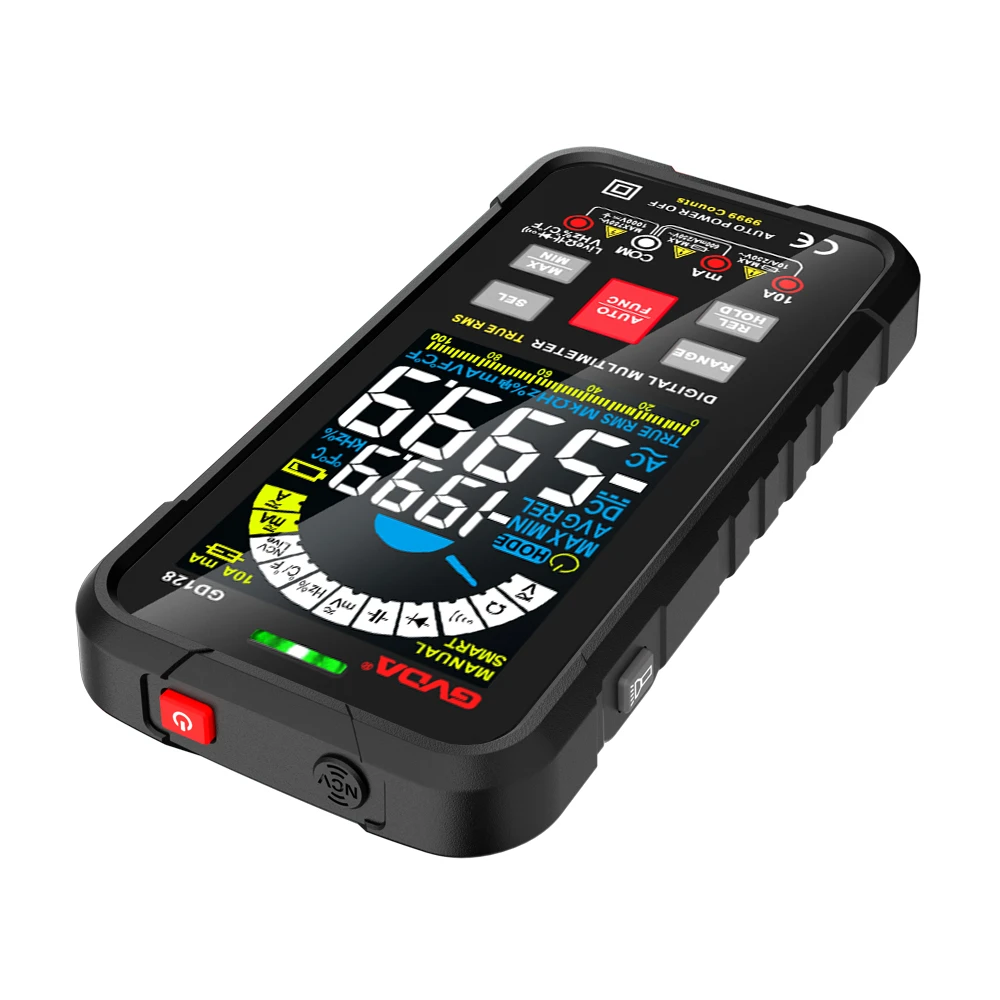
How to Use a Multimeter to Detect Short Circuits, Open Circuits and Electric Leakage
Using a multimeter to check for short circuits, open circuits, and leakage is one of the common techniques used by electricians in their work. This instrument has multiple measurement functions and can quickly and accurately detect faults and problems in circuits.
Preface
A multimeter is one of the most common tools used by electricians and electronic engineers. It can measure voltage, current, resistance, and other physical quantities, and display the results through sound or numbers. There are two common types of multimeters: analog multimeters and digital multimeters. Analog multimeters use pointers to indicate results, while digital multimeters use digital displays.
Instrument preparation
Before starting the inspection, you need to ensure that the preparation work for the multimeter has been completed. Firstly, check the measurement range and resolution of the multimeter to ensure that it is suitable for the type of fault you want to detect. Secondly, ensure that the multimeter is disconnected from the circuit under test and select the correct measurement function mode. Finally, make sure your multimeter is charged or connected to a power source to ensure it is functioning properly.
Find short circuit
A short circuit refers to a low impedance connection between two circuit points with different potentials. To detect a short circuit, you need to follow the following steps:
1. Disconnect the circuit: First, disconnect the circuit under test to ensure that the power is turned off. This is a crucial step in ensuring safety.
2. Set measurement mode: Set the multimeter to DC resistance measurement mode. For a digital multimeter, choose the appropriate range of measurement; For analog multimeters, select the lowest range gear.
3. Test connection: Connect the two leads of the multimeter to two different circuit points of the circuit under test. If the multimeter indicates infinity (i.e. infinite resistance), it means there is no short circuit. If the multimeter displays a resistance value close to zero, it can be determined that there is a short circuit.
4. Narrowing down the scope: If a short circuit is found, you need to iteratively eliminate some circuits to find the specific location of the short circuit. You can gradually narrow the range of the short circuit location by disconnecting each component or wiring in the circuit one by one and repeating step 3. Please ensure that the circuit under test is disconnected every time the circuit component is disconnected, and wait for a period of time to ensure that the charge in the circuit has been depleted.
5. Precautions: When conducting short circuit detection, ensure that the power supply has been turned off and the safety measures of the instrument have been completed. In addition, be careful not to touch high-voltage parts during real-time measurement to avoid the risk of electric shock.