Infrared thermometers for electrical system fault diagnosis
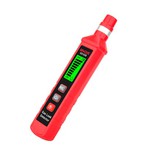
Infrared thermometers have proven to be a cost-effective diagnostic and preventive tool in electrical system and equipment maintenance inspections. The accuracy of the full line long infrared thermometer is 1-4% of the reading, and it can be measured from a distance of 180 feet depending on the model. These instruments are lightweight and have rough anti slip patterns on the surface, making them easy to use.
Measuring electrical equipment
A non-contact infrared thermometer can measure the surface temperature of an object from a distance, making it an indispensable tool in electrical equipment maintenance operations.
Application in electrical equipment
In the following applications, infrared thermometers can effectively prevent equipment failures and unplanned power outages.
Connector - The electrical connection part will gradually loosen the connector due to repeated heating (expansion) and cooling (contraction) generating heat, or surface dirt, carbon deposition, and corrosion. A non-contact thermometer can quickly determine the temperature rise indicating a serious problem.
Electric motor - To maintain the lifespan of the electric motor, check whether the temperature of the power supply connection wire and circuit breaker (or fuse) is consistent.
Electric motor bearings - check for hot spots and regularly repair or replace them before any problems occur that cause equipment failure.
Motor coil insulation layer - By measuring the temperature of the motor coil insulation layer, its lifespan can be extended.
Measurement between phases - Check if the temperature of the wires and connectors of induction motors, large computers, and other equipment is the same between each phase.
The winding of the transformer air cooling device can be directly measured with an infrared thermometer to check for excessive temperature, and any hot spot indicates damage to the transformer winding.
Uninterruptible Power Supply - Determine the hotspot of the connection line on the UPS output filter. A low temperature point indicates that the DC filter circuit may be open circuit.
Backup Battery - Check the low-voltage battery to ensure proper connection. Contact with the battery connector may heat up enough to burn the battery core rod.
Ballast - Check for overheating before the ballast starts emitting smoke.
Public facilities - Identify hotspots for connectors, wire joints, transformers, and other equipment. Some models of optical instruments have a range of 60:1 or even larger, making almost all measurement targets within the measurement range.