Introduction to the daily maintenance and calibration of portable gas detectors
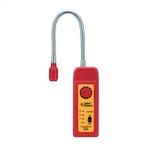
A portable gas detector is a detection device used to detect oxygen deficiency, explosions, and other toxic hazards, and can issue alarms to protect human and property safety. If these instruments cannot be used correctly and reasonably, the consequences would be unimaginable. At the same time, in order for the gas detector to function properly, it is necessary to maintain the detection instrument. According to the maintenance cycle of portable gas detectors, they can be divided into daily maintenance and regular maintenance.
Routine maintenance
The main task of daily maintenance is to check the overall appearance and battery level of the portable gas detector. At the same time, in order to ensure the accuracy of portable gas detectors, rapid testing is needed to detect the correct and precise response of instrument sensors to gases. For instruments with built-in pumps, it is also necessary to perform an air tightness check on the pump suction system (specific operation method: after opening the instrument, block the intake terminal of the pump suction system, such as the top of the sampling probe, and send a pump flow blockage alarm directly to the instrument, indicating that the air tightness performance of the instrument pump suction system is normal. Otherwise, the instrument cannot be used).
Regular maintenance
Due to the fact that the sensors of portable gas detectors are measuring instruments, deviations in detection may occur over time. Therefore, it is necessary to regularly correct such deviations in portable gas detectors, which is commonly referred to as calibration. According to the requirements of the International Safety Equipment Association, there is no fixed term for regular calibration. It is determined based on the actual environment and frequency of use of portable gas detectors. As long as the instrument cannot pass rapid testing, it means that the deviation of the instrument sensor is too large, which will affect the detection results and requires calibration.
In order to facilitate users in better defining the management of portable gas detectors, we generally recommend that customers conduct regular maintenance, including calibration, on the portable gas detector at least once every six months. At the same time, for pump suction portable gas detectors, additional regular maintenance is required, which includes regular inspections of the filtration device of the pump suction system (mainly checking the internal filtration membrane of the pump suction product to see if it has failed. The method of determining failure is to observe the color change of the filtration membrane, with clean membranes being pure white and failed membranes being yellow black).