Introduction to the differences between metallographic microscope and stereomicroscope in three aspects
1. Lighting path system:
Metallographic microscopes generally have a dedicated reflective light illumination path (because the observed sample is opaque), and the illumination light passes through a semi reflective lens and is then irradiated onto the surface of the sample through an objective lens. After being reflected back, it passes through the objective lens and eyepiece before being imaged in the human eye. Therefore, the objective lens replaces the condenser lens in the Kohler illumination system. In principle, this type of lighting belongs to coaxial lighting, where the illuminated light and reflected light are in the same main optical path.
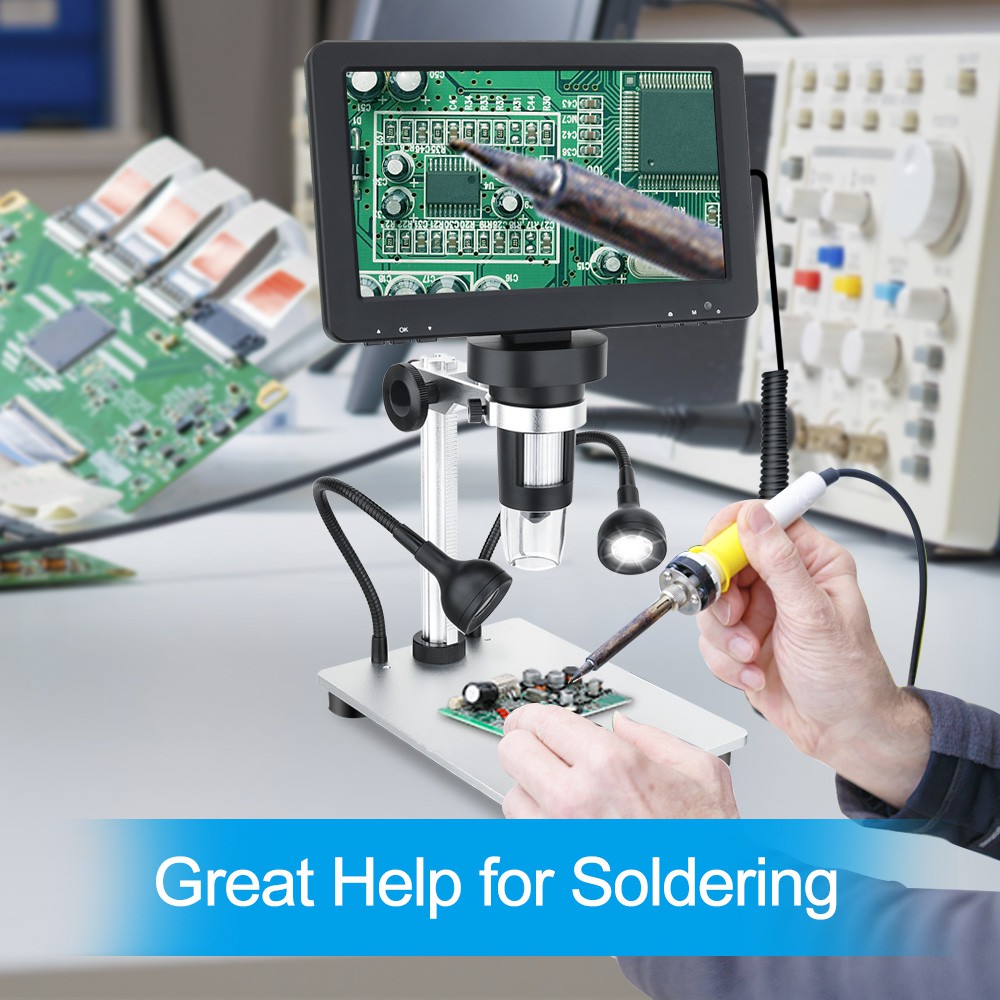
Stereoscopic microscopes generally use external light sources, including lateral halogen lamps for oblique illumination and circular LED lamps for illumination. However, these lighting methods are not coaxial illumination, and their illumination is oblique from the side, with a certain angle with the main optical axis. In principle, they are similar to the dark field illumination of metallographic microscopes. In addition, some stereomicroscopes also have coaxial lighting sources, but coaxial lighting in stereomicroscopes has certain limitations. Improper design can cause glare, which requires the addition of special accessories or lenses to eliminate it.
2. Microscope frame and focusing mechanism?
The frame of a metallographic microscope is generally relatively large, but because it is used for high-power inspection, it can place samples with relatively small sizes. Generally, the sample surface is required to be relatively flat, and sample preparation, polishing, and corrosion are required. In this regard, except for inverted metallographic microscopes, although sample preparation is also required, it has almost no restrictions on the size of the sample. A good inverted metallographic microscope can place samples weighing about 10 kilograms. In addition, the focusing mechanism of the upright metallographic microscope is a lifting stage (there are also a few upright microscopes and measuring microscopes that use special attachments to lift the objective), while the inverted metallographic focusing mechanism is a lifting objective.
The frame size of a stereo microscope is generally small, but if combined with a large-sized moving frame, it can inspect samples of different sizes, including directly inspecting products on the production line. Therefore, it has low requirements for samples and does not require specialized sample preparation. As long as the sample surface is roughly flat, it is sufficient. Because stereoscopes are relatively light, the focusing method of stereomicroscopes is generally to lift and lower the entire optical path of the host.