Is the alarm response fast enough and the warning clear & effective for a pump‑suction 4‑in‑1 gas detector?
1, Key factors affecting alarm response speed
The alarm response speed of the pump suction four in one gas detector is mainly related to the sampling efficiency sensor performance and signal processing technology. The core advantage of pump suction design is active sampling. The suction rate of the built-in pump directly affects the time for gas to reach the sensor. Equipment with moderate suction rate can quickly pump the gas to be tested to the sensor, shortening the response delay; If the sampling pipeline is too long, bent too much, or blocked, it will hinder gas flow and cause a slower response.
Sensors with better quality are more sensitive to target gases, able to quickly capture concentration changes and convert them into electrical signals. The response characteristics of sensors for different gases vary, and there may be slight differences in response time for different types of gases such as flammable and toxic gases, but they can all meet the time requirements for routine monitoring. In addition, advanced signal processing chips can quickly analyze sensor signals, reduce delays caused by interference, and enable timely issuance of alarm commands.
2, Practical performance dimensions of warning function
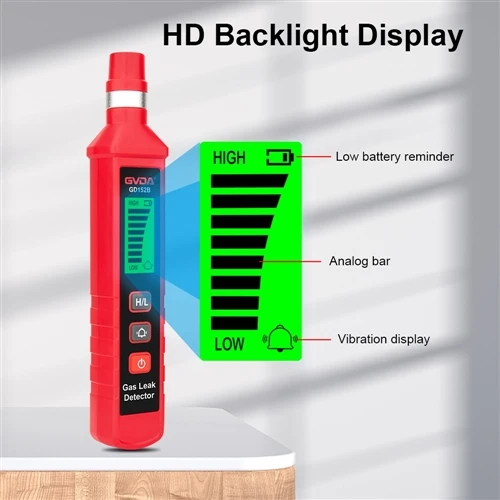
The practicality of the warning function of the pump suction four in one gas detector is mainly reflected in the effectiveness of the reminder method and the rationality of the warning logic. Reminder methods usually include sound and light alarms and vibration alarms, and some devices also support SMS or remote notifications. The volume and brightness of sound and light alarms need to be adapted to the usage scenario. In noisy workshops or strong light environments, devices with sufficient volume and clear brightness can allow operators to quickly detect them, while vibration alarms are suitable for high noise scenarios. Through tactile reminders to avoid omissions, devices with dual or multiple reminder methods are more practical.
The multi digit four in one gas detector supports multi-level alarms. When the gas concentration approaches or reaches a preset threshold, it will issue warnings of different intensities in sequence, making it convenient for operators to take corresponding measures according to the warning level; Some devices also have alarm memory function, which can record the concentration values of alarm time for subsequent traceability and analysis. At the same time, the warning function of qualified equipment has good stability and will not cause false alarms due to changes in environmental temperature and humidity or slight interference, ensuring the reference value of warning signals.
3, Practical suggestions for optimizing usage effectiveness
Before use, check the sampling pipeline of the four in one gas detector to confirm that there is no damage or blockage, shorten the sampling distance as much as possible, avoid excessive bending of the pipeline, and ensure smooth gas flow; Preheat according to the device instructions to allow the sensor and sampling pump to enter a stable working state in advance, reducing initial response delay. Regular calibration of sensors is important as their performance may deteriorate over long-term use. Calibration can help maintain their sensitivity to gases, avoiding slow response or delayed warning due to sensor aging. At the same time, check the warning device and ensure that the horn indicator light vibration module is working properly. It is also necessary to adjust the alarm threshold according to the gas safety standards of the work environment, set reasonable first and second level alarm values, which will not cause frequent false alarms due to low thresholds, nor miss safety warnings due to high thresholds.