Which is better for detecting benzene in confined spaces: a portable or fixed detector?
1, Portable detector - suitable for short-term flexible operations
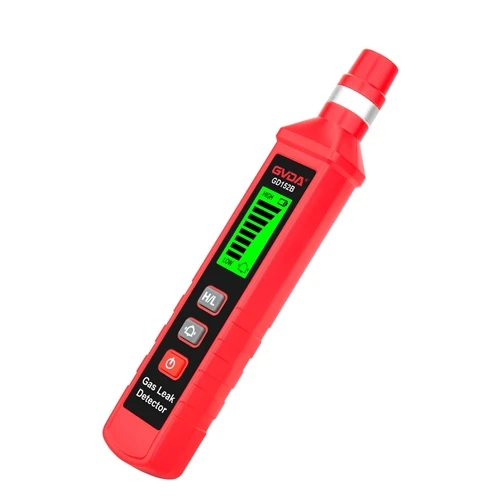
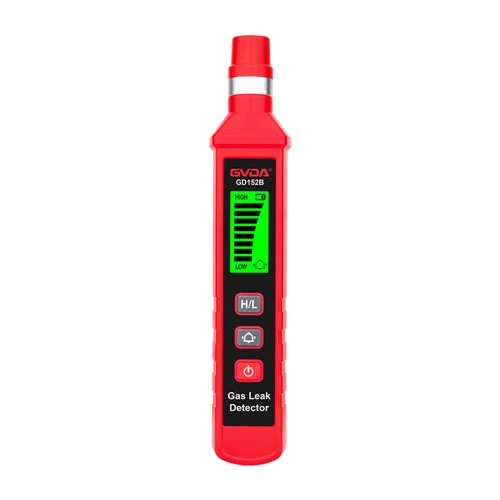
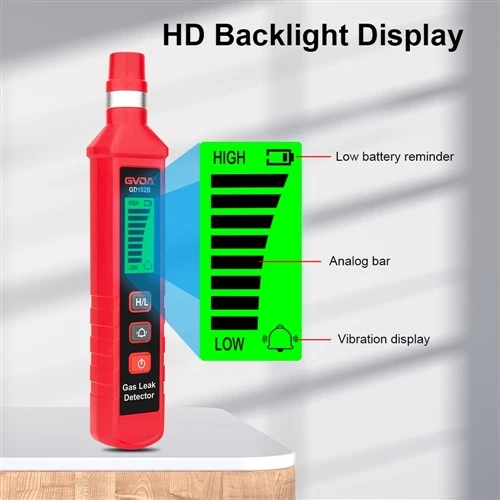
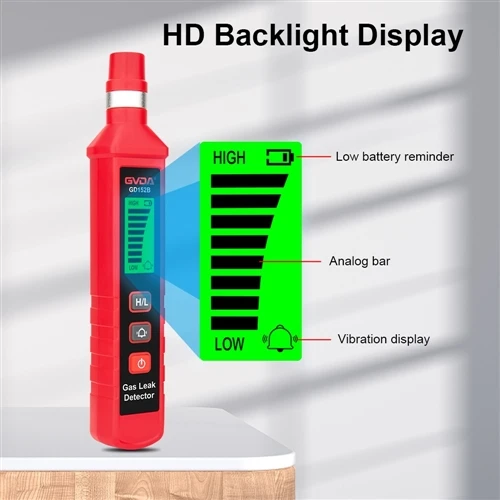
Portable toxic gas detectors are more suitable for enclosed space scenarios with short-term temporary operations, such as underground pipe trench maintenance, small storage tank temporary inspection, laboratory intermittent operations, etc. This type of scenario has a short homework time, strong spatial mobility, and the portable toxic gas detector has the advantage of being small in size and easy to carry. It can flexibly follow the movement and monitoring of workers, provide real-time feedback on the concentration of benzene gas around it, especially suitable for working inside enclosed spaces. It can capture concentration changes in local areas and issue timely alarm reminders.
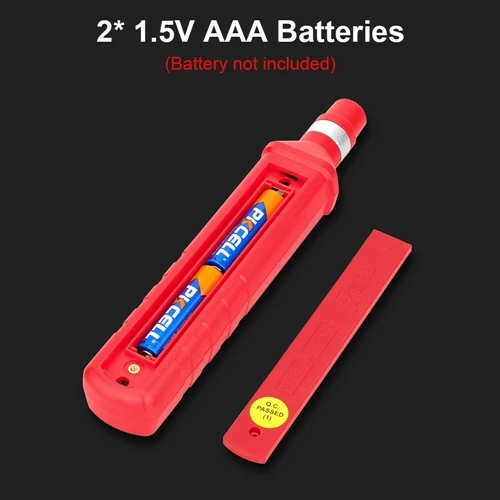
In addition, portable devices are easy to install without complex wiring, can be used right out of the box, and can quickly respond to sudden detection needs. Maintenance and storage in the later stage are also relatively convenient.
2, Fixed detector - suitable for long-term continuous monitoring
Fixed toxic gas detectors are more suitable for enclosed spaces with long-term fixed operations, such as chemical workshops, fixed storage tanks, underground machine rooms, and reaction vessels that operate for a long time in enclosed or semi enclosed spaces. This type of scenario requires continuous monitoring of benzene gas concentration, and fixed equipment can meet the demand for continuous monitoring.
It is usually fixedly installed at key points where benzene gas is prone to leakage, connected to the power supply system and alarm device through wiring, and can achieve real-time monitoring around the clock. Once the concentration exceeds the standard, it can trigger sound and light alarms in a timely manner. Some toxic gas detection instrument models also support remote data transmission, making it easier for management personnel to centrally control. At the same time, fixed equipment has better endurance and stability, suitable for long-term high-intensity operation, and can provide continuous safety protection for confined spaces for long-term operations.
3, Key selection ideas
When choosing a toxic gas detector, there are three aspects to consider. Firstly, consider the operation cycle. Portable devices are preferred for short-term temporary operations, while fixed devices are more suitable for long-term fixed operations. Secondly, looking at the monitoring range, if it is necessary to detect the movement of multiple points inside a confined space, a portable device is more suitable.
If only fixed leakage points or overall spatial concentration need to be monitored, the fixed type can meet the requirements. Finally, considering management requirements, if remote monitoring data traceability and centralized management are needed, fixed devices have stronger adaptability. If pursuing flexibility, convenience, and quick response, portability would be a better choice.