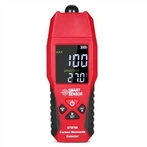
Knowledge on how to maintain a portable flammable gas detector
The portable combustible gas detector is the core equipment in the gas detection operation, and its advantage is that it can continuously detect whether the gas leaks after it is turned on. From this point of view, the maintenance of combustible gas detectors plays a particularly important role in maintaining production safety. So let me share with you a few tips about maintaining the combustible gas detector, hoping to bring help to all users.
1. Master the charging time of the detector
During the charging process, one-time long-term charging should be avoided. Too long charging time will consume the service life of the battery of the detector. Moreover, the detector should be turned off when charging, otherwise the sensor of the detector may be affected by the charger, resulting in false alarms and inaccurate gas detection in the future.
2. Keep the detector dry
The combustible gas detector should be prevented from contacting with the water source during use. Keeping the detector dry can effectively prolong the service life of the detector. At the same time, when the user cleans the combustible gas detector, he must clean it with a dry rag to ensure that no moisture or water vapor enters the inside of the detector, so as to prevent the circuit of the detector from being damaged and affecting the alarm accuracy.
3. Prevent the detector from being bumped or dropped
After the detector is used, it needs to be placed in a safe place to prevent the instrument from falling, and when testing in a special place, it should also choose a reasonable location to place the instrument, and then carry out the testing work. This can prevent the combustible gas detector from being frequently bumped and dropped, and ensure that the measurement accuracy of the detector will not be affected by external impacts.
To sum up, reasonable use and maintenance of the detector can not only prolong the service life of the detector, but also keep the detector in good working performance, protect the personal safety of workers on the testing site, and avoid accidents.