Malfunctions and Handling Methods of Hydrogen Sulfide Gas Detectors
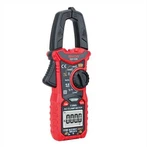
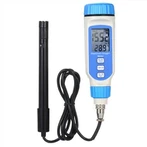
Generally, hydrogen sulfide gas detectors are divided into two types: portable or fixed, also known as handheld (DR95C-HCL) or online (DR70C-HCL). And sensors with different ranges need to be configured in different environments, so how can common faults of hydrogen sulfide gas detectors be eliminated?
Fault 1: The gas detector displays a large numerical error
Part of the reason for this malfunction is that the probe has not been effectively calibrated for a long time, resulting in a significant decrease in sensor sensitivity and inaccurate measurement results of hydrogen sulfide gas concentration. In addition, according to the analysis of drilling site operations, the gas detector probes are mainly distributed at the wellhead, drilling platform, and other positions, which makes its surface and gas explosion-proof film easily contaminated by mud and drilling fluid. In addition, the explosion-proof film is also prone to being soaked by rainwater in cloudy and rainy weather. These are all factors that can cause display errors in gas detectors.
Handling method:
1. Regularly check the usage of the probe and clean the explosion-proof film regularly; Regularly calibrate sensors
2. Install rainproof devices on probes installed outdoors.
Fault 2: Gas detector has no indication value
The main reason for this type of malfunction is that the explosion-proof plate of the sensor is blocked or the sensor fails, resulting in the system being in a paralyzed state. Method for handling blockage of explosion-proof plates: Remove the probe, remove the metal explosion-proof plate, soak the filter membrane in clean water with a small amount of cleaning agent for about half an hour, and then brush off the dirt with a brush; Clamp the explosion-proof plate with pliers, repeatedly blow and wash the filter membrane with a high-pressure air gun, let it dry, and then install it.