Measurement of three-phase current using a clamp ammeter
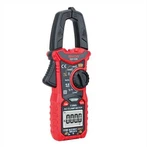
1. First, choose the clamp ammeter's voltage level accurately. Next, examine the clamp ammeter's appearance insulation, damage, pointer flexibility, jaw rust, and other factors. To choose the meter range, estimate the rated current based on the motor power.
2. Carefully read the instructions before using the clamp ammeter to determine whether it is an AC or AC-DC dual-purpose clamp meter.
3. To measure small currents due to the clamp ammeter's lack of accuracy, the following technique might be used: The wire of the circuit being tested must first be wound multiple times before being placed in the clamp meter's jaw for measurement. The clamp meter's display of the current value currently does not correspond to the measurement being made. The clamp meter value should be divided by the wire's number of spins to determine the actual current.
4. While measuring, the clamp meter's jaws should be shut tightly. You can open the jaws and try again if there is any noise after closing. If the noise cannot be completely eradicated, see if the magnetic circuit's junction surfaces are smooth and clean. Clear it off.
5. Multi-phase wires cannot be clamped into the clamp window for measurement; the clamp meter can only measure the current of one phase wire at a time, and the wire being tested must be put in the center of the clamp window.
6. The voltage of the circuit being tested must not be greater than the value indicated on the clamp meter, since doing so could easily result in a grounding incident or present a risk of electric shock.
7. Calculate the cage-type asynchronous motor's operating working current. In order to assure the motor's safe operation and increase its useful life, it is possible to verify the motor's operation based on the current's magnitude.
8. You can take a measurement once for each step or three stages at once. The reading on the meter ought to be zero at this point (because the phasor sum of the three-phase current is zero). The meter should read 0 when there are two phase wires in the mouth. The third phase's current value is the one shown on the screen. It is possible to determine whether the motor is overworked by monitoring the current for each phase (the measured current exceeds the rated current value). Whether the three-phase current imbalance exceeds the 10% limit, or whether there is an issue with the power supply voltage.
9. Choose the range to use after estimating the size of the detected current before taking measurements with a clamp meter. If estimation is not possible, you can start with a file with the largest possible range before switching to a smaller one to obtain an accurate result. To avoid causing harm to the meter, it is not possible to measure significant currents with the low current equipment.