Notes on Use, Advantages and Failure Causes of Digital Multimeters
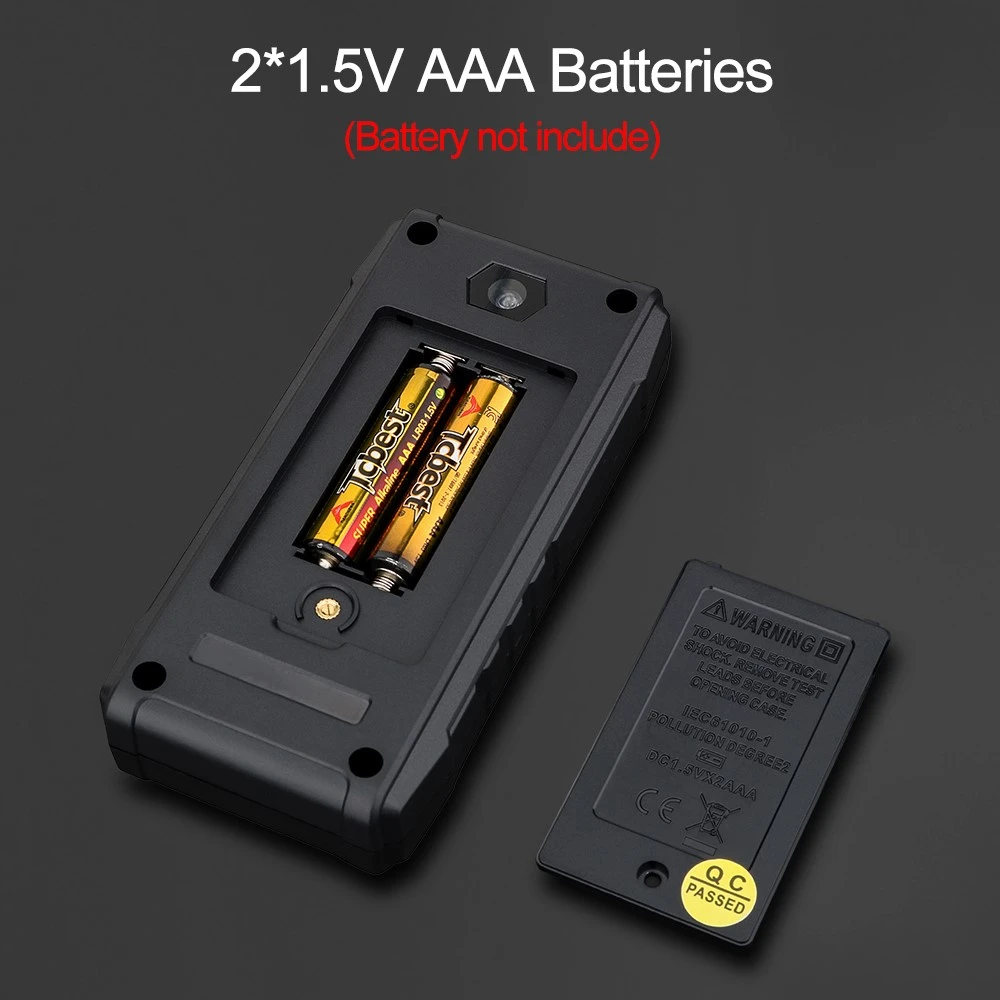
Digital multimeters are highly popular among radio enthusiasts due to their high measurement accuracy, convenient reading, and complete functions. Basic digital multimeters generally include resistance measurement, continuity beep testing, forward voltage measurement for diodes, AC/DC voltage and current measurement, and beta value and performance testing for transistors. Some digital multimeters add extra functions such as capacitance measurement, frequency measurement, temperature measurement, data storage, and voice reading, which greatly improve convenience in practical testing.
However, improper use of digital multimeters during actual testing can easily damage internal components and cause malfunctions.
Most damage to digital multimeters is caused by incorrect range selection. For example, if the multimeter is set to the resistance range while measuring AC mains voltage, contact between the probes and the live circuit will instantly damage internal components. Therefore, always verify the measurement range before taking a reading. After use, set the range selector to AC 750V or DC 1000V to prevent damage from accidental incorrect measurements during the next use.
Some damage occurs when measured voltage or current exceeds the selected range. For instance, attempting to measure mains voltage on the AC 20V range often damages the AC amplifier circuit, disabling the multimeter's AC measurement function. Excessively high DC voltage can also cause internal circuit failure. When measuring current, exceeding the range typically only blows the internal fuse without causing further damage.
For unknown voltage levels, always start with the highest available range, then switch to a lower range for a more precise reading. For voltages far exceeding the multimeter's maximum rating, use high‑resistance high‑voltage probes - such as when measuring the high anode and focusing voltages in black‑and‑white and color televisions.
Most digital multimeters have a maximum DC voltage rating of 1000V. Voltages below this level generally do not cause damage, but voltages above 1000V are very likely to do so. Maximum voltage ratings may vary by model. If the measured voltage exceeds the meter's range, a resistive voltage divider can be used.
In addition, when measuring high DC voltages between 400V and 1000V, ensure firm, stable contact between the probes and test points. Loose or unstable connections may result in inaccurate readings, internal damage, or even a completely blank display in severe cases.