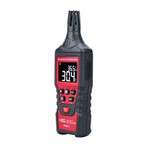
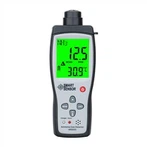
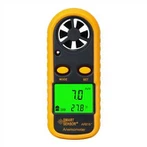
PID gas detector detection principle
A PID gas detector is a detector that responds to the concentration of a single or multiple combustible gases. There are two types of combustible gas detectors: catalytic type and infrared optical type. The PID gas detector uses the resistance change of the refractory metal platinum wire to measure the concentration of combustible gas. When the combustible gas enters the detector, it will cause an oxidation reaction (flameless combustion) on the surface of the platinum wire, and the heat generated will increase the temperature of the platinum wire, and the resistivity of the platinum wire will change.
The detection principle of PID gas detector:
The concentration of the detected gas depends on the gas detection transmitter, and the sensor is its core part. According to the different detection principles, it is mainly divided into metal oxide semiconductor sensors, catalytic combustion sensors, constant potential electrolytic gas sensors, and Galvanic batteries. Oxygen sensor, infrared sensor, PID photoionization sensor, etc. The following is a brief overview of the principles and characteristics of various sensors.