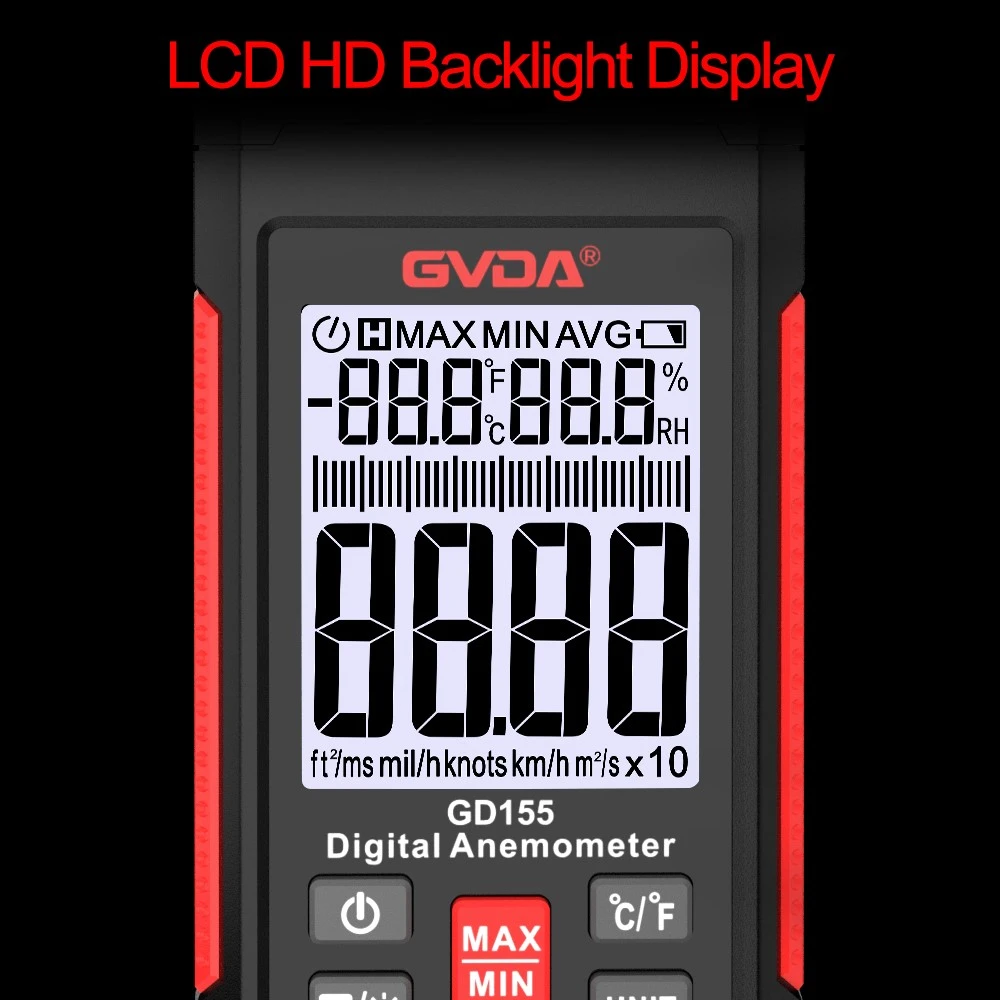
Precautions when using wind direction and anemometer
The anemometer is a special instrument used to measure wind direction and speed. It is an important instrument for studying agricultural micrometeorology. It has important applications in agriculture and other fields. There are also strict requirements for its use environment, such as prohibiting use in flammable gas environments. Anemometer; Do not place the anemometer probe in flammable gases. Otherwise, it may cause fire or even explosion. In order to extend its service life and ensure its sensitivity, the following matters should be paid attention to when using the wind direction and anemometer:
1. Do not disassemble or modify the anemometer. Otherwise, electric shock or fire may result.
2. During use, if the anemometer emits abnormal smell, sound or smoke, or if liquid flows into the anemometer, please turn off the power immediately and take out the battery. Otherwise, there is a risk of electric shock, fire and damage to the anemometer.
3. Do not expose the probe and anemometer body to rain. Otherwise, there may be a risk of electric shock, fire and personal injury. Do not touch the sensor area inside the probe.
4. When the anemometer is not used for a long time, please remove the internal battery. Otherwise, the battery may leak, causing damage to the anemometer.
5. Do not place the anemometer in a place with high temperature, high humidity, dust, or direct sunlight. Otherwise, it will cause damage to internal components or deterioration of anemometer performance.
6. Do not use volatile liquids to wipe the anemometer. Otherwise, the anemometer housing may be deformed and discolored. If there are stains on the surface of the anemometer, you can wipe it with soft fabric and neutral detergent.
7. Do not drop or press the anemometer heavily. Otherwise, it will cause the anemometer to malfunction or be damaged. Instructions for use: Please use the anemometer correctly according to the requirements of the instruction manual. Improper use may result in electric shock, fire and sensor damage.
8. Do not touch the sensor part of the probe when the anemometer is powered. Otherwise, the measurement results will be affected or the internal circuit of the anemometer will be damaged.