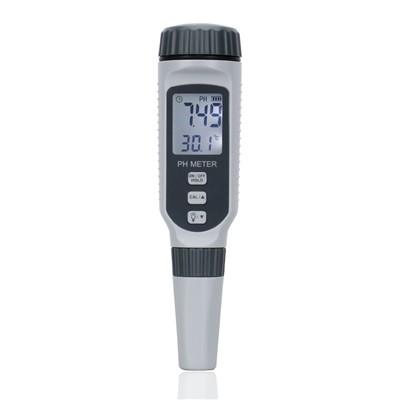
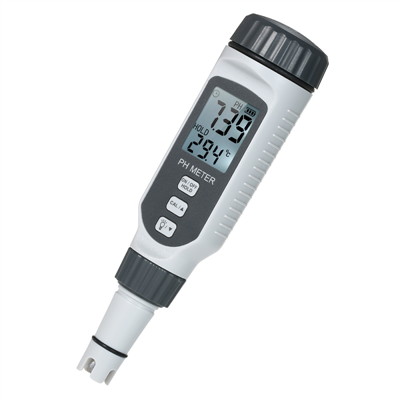
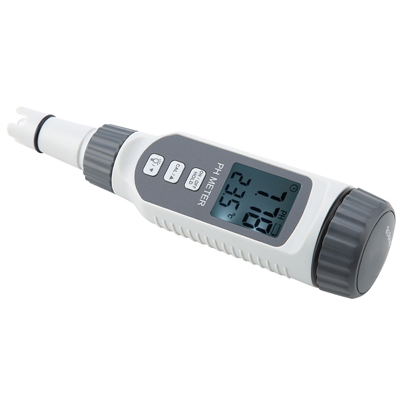
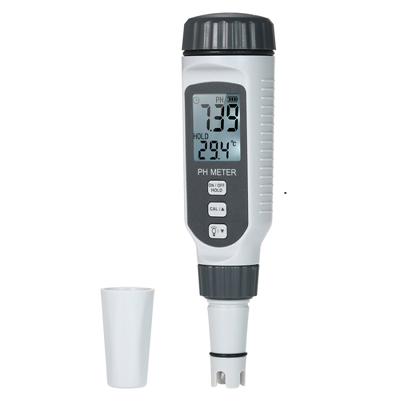
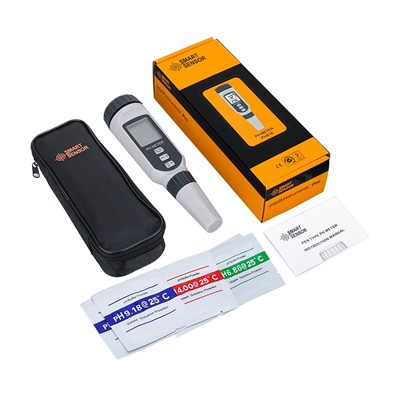
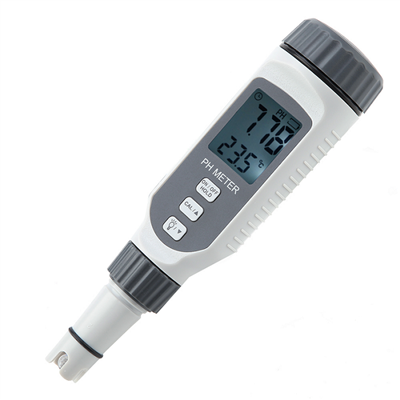
Reasons for inaccurate pH meter readings
What Causes Inaccurate pH Meter Readings? Many people know that there is a problem with the pH meter or pH electrode, but in many cases, it is caused by improper operation or other external conditions. The following introduces some reasons that may cause inaccurate pH meter readings.
1. The pH meter or pH electrode is damaged
If we use a pH meter to measure the pH value of the Mettler standard buffer solution, the reading of the pH meter does not change. For example, when using a pH meter FE20K to measure the pH value of the pH4.01 buffer solution and the pH7.0 buffer solution, the FE20K keeps the reading unchanged If the power supply and the electrode cable are connected correctly, it means that there is a problem with the FE20K host or its standard pH electrode LE438, and the host or pH electrode needs to be repaired.
2. pH electrode failure
As mentioned in the first point above, it is also possible that the LE438 electrode has lost its activity and needs to be activated. After activation, it will return to normal. For the specific operation steps, you can refer to the introduction of pH electrode activation on the instrument network.
3. Changes in temperature or the sample itself cause inaccurate readings of the pH meter
Sometimes, after we measure the pH value of a sample at a certain point in time, we get a pH data. After a period of time, we take the same sample for measurement, and the pH value may change. We have also received it before. Similar consultation calls. This is mainly caused by changes in temperature or the sample itself, which requires keeping the temperature of the measurement environment constant. After the measurement changes the sample, care should be taken to preserve it.
4. Improper calibration of the pH meter causes reading differences
When calibrating the pH meter, if the wrong calibration buffer set is selected, or the calibration is not performed at 25°C and the temperature compensation is not performed, the measured value will differ.