Selection and Operation Guidelines for Gas Detectors
Gas conditions cannot be identified by smell or vision. To avoid gas hazards during operation, it is necessary to rely on detection equipment that is sensitive, accurate, and can quickly respond to hazardous gases to detect hazards. Therefore, the correct selection of gas detectors has become an important issue and a necessary part of hazard assessment before entering the operation.
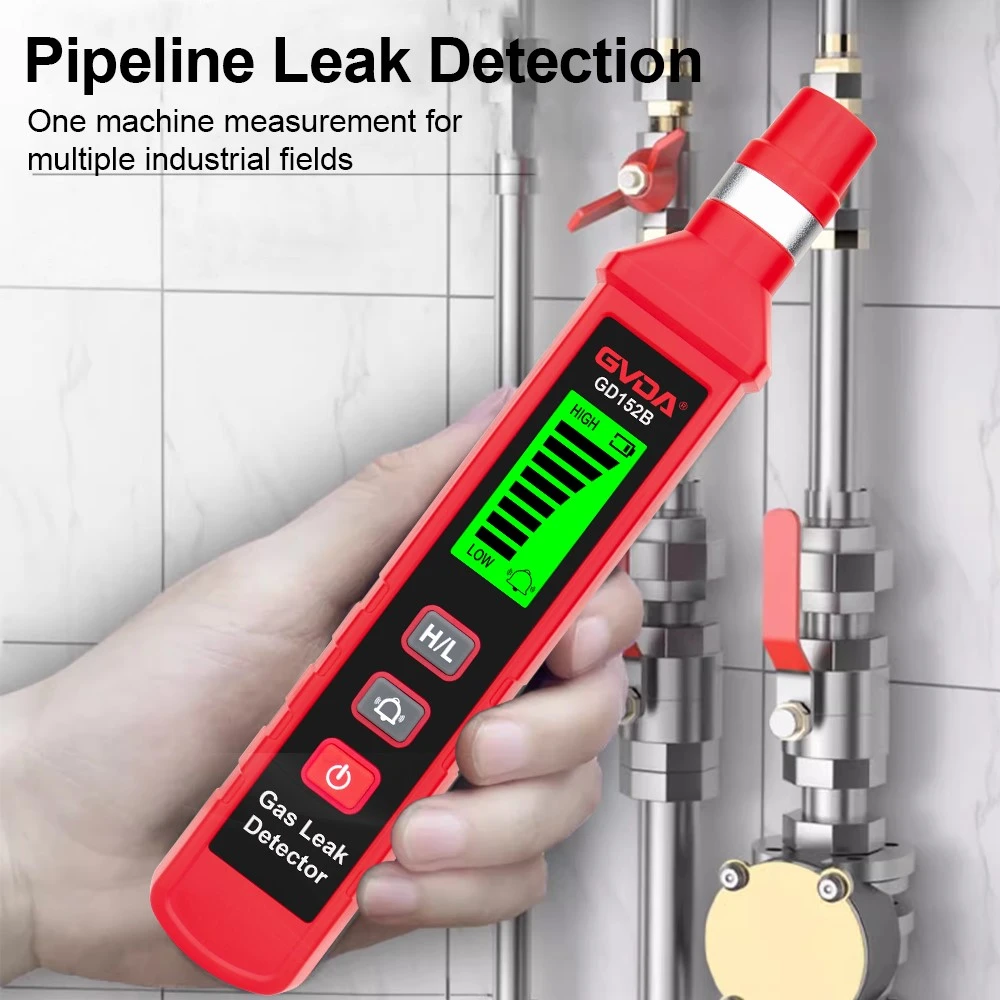
Firstly, gas detectors can be divided into two types based on their location and mobility: fixed and portable. In terms of usage, portable gas detectors are used for inspections, detecting gas concentrations at various possible escape points in factories, or emergency response. Their characteristics are lightweight and can obtain measurement data in a short period of time; Fixed gas detectors are often used for long-term monitoring in factories, such as in explosion-proof areas. The characteristic is long-term monitoring and saving human resources.
The gas detectors currently available in the market for limited spaces are mostly suitable for measuring oxygen, explosive gases, carbon monoxide, and hydrogen sulfide, as these hazardous gases are common. However, instrument manufacturers cannot guarantee the suitability of the instruments. Therefore, when selecting a detector, the following aspects should be considered: applicability, stability, calibration requirements, protection requirements, and ease of identification.
After selecting suitable instruments, the following issues should also be noted when using gas detectors:
1. Pay attention to regular calibration and testing
Gas detectors are measured using a relative comparison method: first calibrate the instrument with a zero gas and a standard concentration gas, obtain the standard curve and store it in the instrument, and calculate the accurate gas concentration value. Therefore, zeroing the instrument at any time and regularly calibrating the instrument are essential tasks to ensure accurate measurement. It should be noted that many gas detectors currently have replaceable detection sensors, but this does not mean that a detector can be equipped with different detector probes for detection at any time.
2 Pay attention to the detection interference between different sensors
Each sensor corresponds to a specific gas being detected, but no gas detector can be highly effective. Therefore, when choosing a gas sensor, it is important to understand the detection interference of other gases on the sensor as much as possible to ensure accurate detection of specific gases.
3. Pay attention to the concentration measurement range of the testing instrument
Each type of gas detector has its own detection range, and different models have different range values. Only by completing the measurement within its measuring range can the instrument ensure accurate performance. If measurements are taken beyond the measurement range for a long time, it may cause significant damage to the sensor.
In short, physical examination equipment is a powerful tool to ensure the health of industry and workers. We need to choose a suitable gas detector based on the specific usage environment and required functions. Learning how to choose and use can truly achieve twice the result with half the effort and prevent problems before they occur.