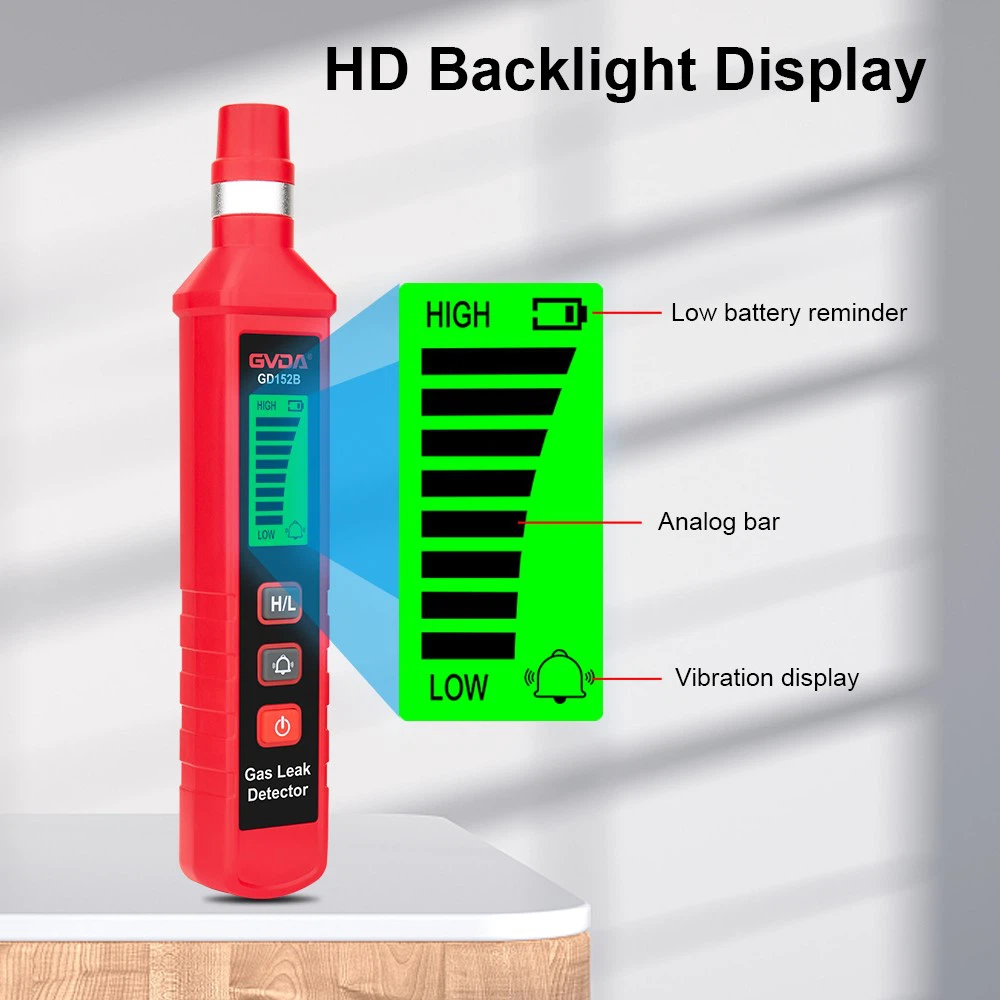
Selection of gas detectors, common misunderstandings and usage precautions
The reason why gas detectors cannot be used or damaged is that quality factors are only a part of choosing ordinary manufacturers, most of which are caused by improper selection and use.
Acceptance error: Testing case using high concentration gas: After installing a combustible gas detector on site, the customer used a lighter to test whether the detector was working properly. After the ventilation test, the detector alarms but cannot be reset to zero. After normal use and detection of sensor damage, all items will be returned to the factory to pay for replacement.
Analysis: Many customers prefer to use high concentration gases for testing during acceptance. This method is very inaccurate and can easily cause damage to the instrument. The detection range of the combustible gas detector is 0-100% LEL, with a low lower explosive limit (0-5% vol for methane), and the lighter gas is high-purity butane, far exceeding the detection range. The range of combustible gas detectors.
When testing with lighter gases, the sensor will be subjected to 2 to 3 or higher impacts, and the chemical activity of the sensing element will decay or be deactivated prematurely, resulting in a decrease in detection accuracy. The platinum wire was burned off and the sensor was scrapped. It should be noted that manufacturers cannot guarantee sensor failures caused by high concentration gas impacts and will need to replace them at their own expense.
Analysis: Most combustible gas detectors on the market use the principle of catalytic combustion. The principle of catalytic combustion is to use catalytic energy to generate low-temperature flameless combustion on catalytic elements, and the heat of combustion increases the temperature of the elements.