Application of Hydrogen Gas Detector in Forklift Charging Room
During the operation of the forklift charging room, a small amount of hydrogen gas will be released. Hydrogen gas is a flammable and explosive gas, and improper operation may cause significant safety hazards such as electrical sparks and hydrogen explosions. Therefore, in addition to complying with corresponding safety management regulations, the forklift charging room also needs to be equipped with a hydrogen detector (alarm) to detect the concentration of hydrogen gas.
The hydrogen gas detector is mainly used to detect hydrogen leakage alarm devices, consisting of a gas alarm controller and a gas detector. The gas detector is installed at the gas leak detection site, and the gas alarm controller can be placed in the duty room to receive the concentration detected by the gas detector, and realize the display of concentration and the sound and light alarm function after the concentration exceeds the standard. It can also be linked with the exhaust fan, uploaded to the PLC DCS, In the event of a hydrogen leak in the fire protection system, the detector can be connected to relevant external safety devices, such as solenoid valves, exhaust fans, alarm signal lights, etc. When the detector alarms, the solenoid valve can cut off the gas immediately, and the exhaust fan can quickly evacuate and reduce the hydrogen concentration in the space.
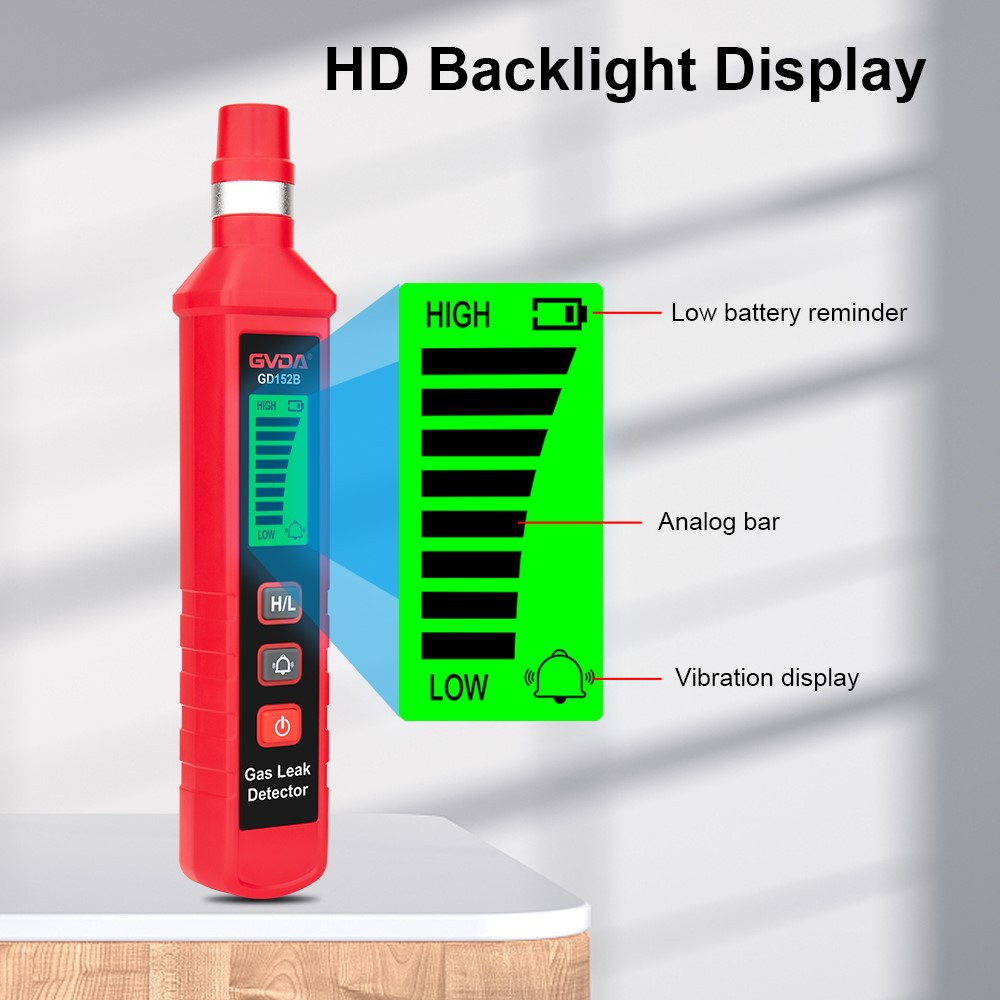
There are two types of detectors: portable and fixed. Osenjie recommends the fixed gas detector, which can monitor the concentration of hydrogen gas online 24 hours a day, making it convenient for personnel to view the detection results in real time. Due to the fact that the application environment belongs to flammable and explosive places, users can choose explosion-proof detection when selecting instruments, which can isolate electric sparks that appear inside the dashboard and prevent them from leaking to the outside, causing unnecessary safety accidents.
Special note:
1. The combustible gas detection system should adopt a two-level alarm.
2. The alarm signal is sent to the control room and on-site operation room where the operator is stationed for alarm.
3. Hydrogen is lighter than air, and the installation position of the gas detector should leak above the source. The actual installation location will depend on the customer's on-site situation.