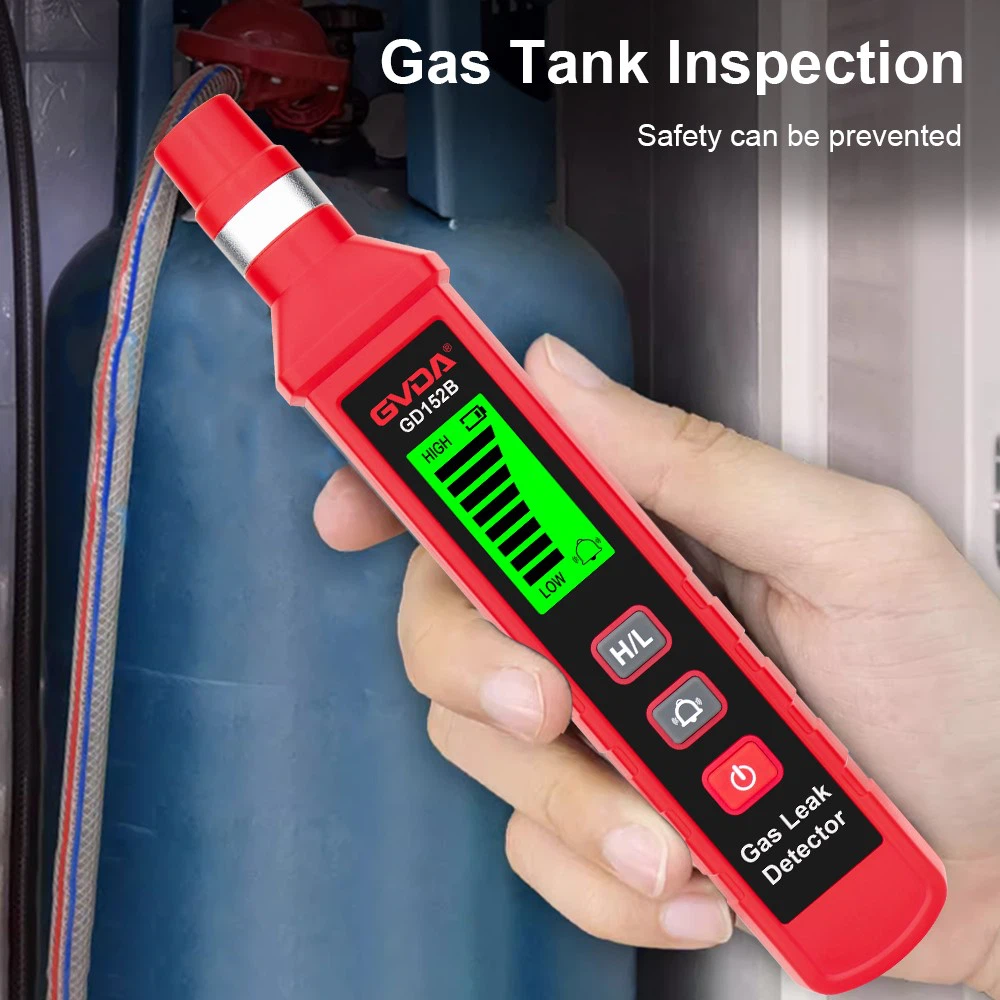
Standardize the operation of combustible gas detectors and operating procedures
1. The combustible gas detector should be arranged on the upwind side of the minimum frequency wind direction of the combustible gas or toxic gas release source.
2. The effective coverage radius of the combustible gas detector should be 7.5m indoors and 15m outdoors. Within the effective coverage area, one detector can be installed. The distance between the combustible gas detector and the release source should not be greater than 2 meters outdoors and 1 meter indoors.
3. Places where combustible gas detectors should be installed should use fixed ones; When the conditions for setting a fixed type are not available, a portable combustible gas detector should be equipped.
4. The combustible gas and toxic gas detection and alarm system should be a relatively independent instrument system.
5. In equipment areas arranged outdoors or semi outdoors, when the detection point is located on the upwind side of the minimum frequency wind direction of the release source, the distance between the combustible gas detection point and the release source should not be greater than 15m, and the distance between the toxic gas detection point and the release source should not be greater than 2m; When the detection point is located on the downwind side of the minimum frequency wind direction of the release source, the distance between the combustible gas detection point and the release source should not be greater than 5m, and the distance between the toxic gas detection point and the release source should be less than 1m.
6. When the source of combustible gas release is in a closed or semi closed factory building, one detector can be installed every 15m, and the distance between the detector and any release source should not be greater than 7.5m. The distance between the combustible gas detector and the release source should not be greater than 1m.
7. If the source of combustible gas release that is lighter than air is located in a closed or semi closed factory building, a detector should be installed above the release source, and a detector should also be installed at a higher point in the factory where combustible gas is easily accumulated.
8. Detectors should be installed in the following locations that are not within the effective coverage area of the detector: ① Process equipment that uses or produces liquefied hydrocarbons/or toxic gases, storage and transportation facilities, etc., which may accumulate flammable and toxic gases, and on the ground at the lowest point of the sewage ditch. ② Easy to accumulate Class A gases and toxic gases in "dead corners".
9. The detector for detecting combustible or toxic gases heavier than air should be installed at a height of 0.3-0.6m from the floor (or floor).
10. The detector for detecting flammable or toxic gases that are lighter than air should be installed 0.5-2 meters above the release source.