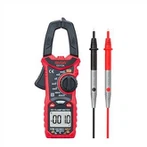
The functions of a multimeter are mainly reflected in the following aspects:
Measuring voltage: A multimeter can be used to measure the magnitude of DC voltage and AC voltage. It can help us understand the voltage situation in the circuit and determine whether the circuit is working properly by contacting the positive and negative poles of the tested circuit.
Measuring current: A multimeter can be used to measure the magnitude of direct current and alternating current. It can help us understand the value of the current and determine the direction and intensity of the current in the circuit by connecting the measuring probe in series with the tested circuit.
Measuring Resistance: A multimeter can be used to measure the magnitude of resistance. It can help us understand the resistance value of the resistor by contacting the measuring probe to both ends of the resistor, thus determining the resistance situation in the circuit and whether the resistance value meets the requirements.
Auxiliary tool: A multimeter can also serve as an auxiliary tool for detecting and verifying the connections of circuits and the proper functioning of components. By measuring the voltage, current, and resistance at different points in the circuit, we can help identify problems and faults in the circuit and make corresponding repairs and adjustments.
Teaching tools: Multimeters play an important role in electronic engineering and electrical teaching. It can help students understand and master circuit and electrical knowledge, and practice measurement and experimental skills.
In summary, a multimeter is a convenient and practical electronic measuring instrument that can be used to measure physical quantities such as voltage, current, and resistance, and assist in fault diagnosis and circuit connection verification. By using a multimeter correctly, we can better understand the characteristics and working status of the circuit, thereby improving the efficiency and accuracy of circuit design, maintenance, and troubleshooting.