The Importance of Using Illuminance Meters
Illumination is closely related to people's lives. Adequate light can prevent people from accidents. Conversely, too little light can cause fatigue far beyond the eyes themselves. Unsuitable or poor lighting conditions are therefore one of the main causes of accidents and fatigue. Available statistics show that about 30% of all accidents in occupational labor are directly or indirectly caused by insufficient light. The light requirements for stadiums (halls) are very strict, too much light or too dark will affect the effect of the game.
So, people live indoors on the illumination of the hygienic requirements are how? Illumination is a very important indicator in hygiene. Light refers to electromagnetic radiation that can cause the human eye light sensation, when the light enters the eye can produce the perception called vision. The light that people see is visible light, whose wavelength ranges between 380 and 760 nm (nanometers).
Lighting can be divided into two categories: natural lighting and artificial light sources. Natural lighting refers to the indoor and regional natural illumination, direct sunlight scattered light and reflected light from surrounding objects, commonly used lighting coefficient and natural illumination. The lighting coefficient refers to the effective area of the light port and the ratio of the indoor ground area. In general, the lighting coefficient of a residence is between 1/5 and 1/15, and the living area ratio is between 1/8 and 1/10 (window area/indoor floor area). The natural illumination coefficient is used to evaluate the level of illumination from natural light. It is a reflection of the relationship between indoor and simultaneous light exposure from the outdoors. It also reflects the local light climate (the sum of sunlight illuminance indicators of natural light energy and climate).
In order to ensure that people live in the appropriate light, China has developed a health standard for indoor (including public places) illuminance. Such as in public places shopping malls (stores) illumination health standards ≥ 100Lx; libraries, museums, art museums, galleries, exhibition halls countertops illumination health standards ≥ 100Lx; public bathrooms illumination health standards ≥ 50Lx; bathrooms (showers, pools, bathtubs) ≥ 30Lx, sanitary ware ≥ 30Lx. Foreign standards on the indoor illuminance, such as the German recommendation of several kinds of rated light intensity, the office includes Clerical work area for 300Lx, typing, drawing work for 750Lx; in factories, production lines, the visual work of the illumination requirements for 1000Lx; hotels, public rooms for 200Lx; reception point, cashier's cabinet for 200Lx; store windows for 1500 ~ 2000Lx; hospital wards for 150 ~ 200Lx, 500Lx for emergency treatment areas; schools, classrooms 400 to 700 Lx for schools and classrooms, 300 Lx for cafeterias and indoor gyms, and so on.
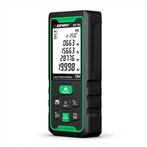
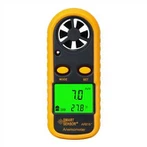
For the measurement of the size of the illuminance, the general use of illuminance meter measurement. Illuminance meter can measure the intensity of different wavelengths (such as the visible light band and ultraviolet light band measurement), can provide people with accurate measurement results.
In short, illuminance and human health, especially for eye health has extremely important health significance.