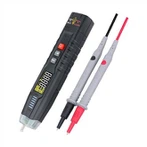
The method and steps of measuring current and voltage with a multimeter
A digital multimeter, also known as a multimeter, multimeter, multimeter, or triple meter, is a versatile electronic measuring instrument that typically includes functions such as an ammeter, voltmeter, and ohmmeter. Compared with pointer type multimeters, digital multimeters are widely used due to their high accuracy, fast speed, large input impedance, digital display, accurate reading, strong anti-interference ability, and high degree of measurement automation. But if used improperly, it can easily cause malfunctions.
1. Before using a multimeter, a mechanical zero adjustment should be performed, which means that when there is no measured electricity, the pointer of the multimeter should be placed at zero voltage or zero current.
2. During the use of a multimeter, do not touch the metal part of the probe with your hands. This not only ensures accurate measurement, but also ensures personal safety.
3. When measuring a certain amount of electricity, it is not advisable to shift gears simultaneously, especially when measuring high voltage or high current. Otherwise, it will damage the multimeter. If you need to shift gears, you should first disconnect the probes and then take measurements after shifting gears.
Steps to measure current and voltage using a multimeter
1. Select the range. The DC voltage range of the multimeter is marked with "V" and has five ranges: 2.5V, 10V, 50V, 250V, and 500V. Select the range based on the power supply voltage in the circuit. Due to the fact that the power supply voltage in the circuit is only 3 volts, the 10 volt range is selected. If the voltage level is unclear, the highest voltage level should be used for measurement first, and gradually switch to a lower voltage level.
2. Measurement method. The multimeter should be connected in parallel with the circuit being tested. The red pen should be connected to the positive terminal of the tested circuit and the power supply, while the black pen should be connected to the negative terminal of the tested circuit and the power supply.
3. Correct reading. Carefully examine the dial, the DC voltage scale line is the second scale line. When using the 10V scale, the measured voltage value can be directly read out using the third line of digits below the scale line. When paying attention to the reading, the line of sight should be facing the pointer.