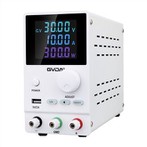
The principle of digital multimeter measuring current
The basic principle of digital multimeter measuring current is to use Ohm's theorem: I=U/R. The digital multimeter has multiple current gears, which correspond to multiple sampling resistors. When measuring, connect the multimeter in series to the circuit under test, select the corresponding gear, and the flowing current will generate a voltage on the sampling resistor. The voltage value is sent to the A/D analog-to-digital conversion chip, and the analog quantity is converted into a digital quantity, and then counted by an electronic counter, and finally the value is displayed on the screen. The multimeter has a series sampling resistor inside. When the multimeter is connected in series to the circuit to be tested, a current will flow through the sampling resistor, and a voltage difference will be formed between the two ends of the resistor. The LCD screen is displayed.