The volume of tissue specimen blocks
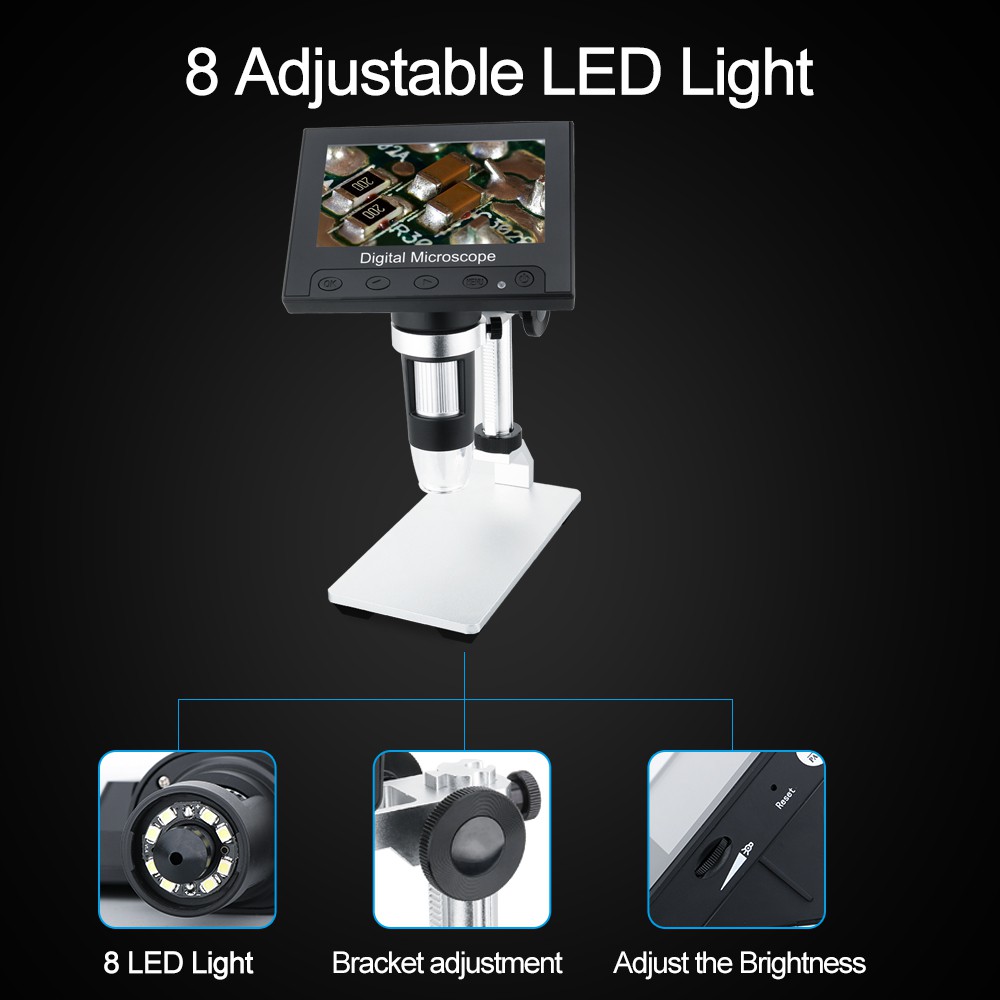
On microscopes equipped with a condenser lens, you may move the condenser up and down to adjust brightness to an appropriate level. In addition, you can change the aperture of the iris diaphragm to obtain suitable brightness.If the light is too dim, raise the condenser appropriately and open the aperture of the iris diaphragm wider. If the light is too strong, lower the condenser appropriately and reduce the aperture of the iris diaphragm. Should the light still be glaring after these adjustments, place a suitable filter on the holder beneath the condenser to achieve satisfactory illumination. Naturally, proficiency in adjusting the vertical position of the condenser, regulating the aperture of the iris diaphragm, and selecting appropriate filters requires accumulated practical experience over time.
Another critical aspect of biological microscopy lies in the procedures of material sampling and cell isolation. After freeze-drying (FD), resin embedding, and frozen ultrathin sectioning, extreme care must be taken to preserve the elemental composition of all cellular components without damaging the cells intended for observation and analysis. X-ray microanalysis involves complex procedures and high costs. It would be regrettable to draw erroneous conclusions if the cells examined after lengthy and multi-step preparation are damaged or non-viable.For example, cardiomyocytes isolated via collagenase digestion present two morphological forms: elongated rod-shaped cells and round cells. The round ones are damaged dying cells injured during cell isolation.
The content and distribution of electrolytes differ significantly between these two cell types. Round cardiomyocytes contain extremely high sodium levels and very low potassium levels, along with a markedly elevated calcium concentration in the mitochondria. Cross-verification with other analytical methods confirms that the high sodium, low potassium, and high mitochondrial calcium in round cells result from damage to the cell membrane during isolation.
Cryofixation of cells and tissues usually begins with plunge freezing, followed by storage in liquid nitrogen. Plunge freezing is crucial for preservation quality. Living cells and fresh tissues contain abundant water. During plunge freezing, the parts of cells or tissues that come into direct contact with the cryogen (especially liquid nitrogen) freeze and fix first, forming a frozen shell that hinders rapid freezing and fixation of the central region of the specimen. Consequently, ice crystals are frequently observed in the central area of larger cells during X-ray microanalysis.
To avoid this problem, cryogens with a melting point higher than liquid nitrogen yet lower than −80 °C are adopted. Among various available options, liquid propane is easy to obtain, low-cost, and offers an extremely fast cooling rate (boiling point: −42.12 °C; melting point: −187.1 °C; molecular weight: 44.1). Its only disadvantage is flammability.