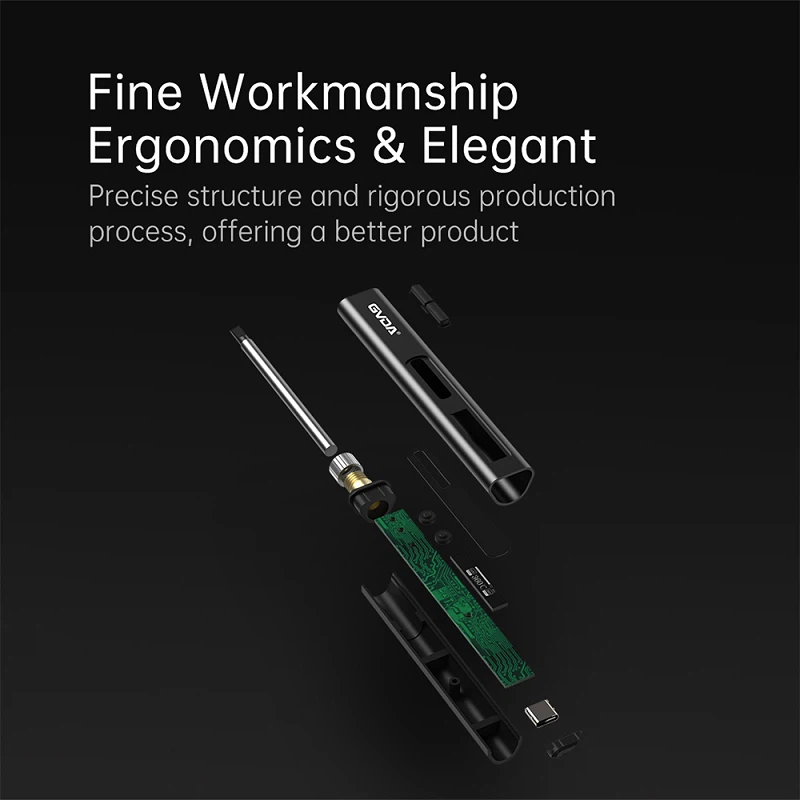
Three major technical points of soldering iron
Using a soldering iron to solder components on a circuit board is a basic and necessary skill for electronic and electrician technicians. Whether repairing or assembling experimental boards requires solid manual welding skills. The welding experience in practice is now summarized for reference by those in need.
1. Basic principles of welding
The full name of soldering we use should be tin brazing, which uses molten solder to bond two non-melting metal surfaces together. The basic principle is to use the molten solder to wet other metal surfaces under high temperature, so that the parts in contact between the solder and the metal surface form a strong layer of alloy, which is welded together under cooling. For a detailed introduction to brazing, please search for relevant information online.
2. Conditions for good welding
The formation of a good solder joint requires three conditions: a clean soldering surface, a suitable temperature and an appropriate amount of flux.
If you are welding old components and the pins are already oxidized, the oxide layer needs to be cleaned.
The soldering temperature should not be too low. Low temperature will affect the leveling of the solder, resulting in rough solder joints, unsmooth appearance and even burrs. Generally, electric soldering irons do not have a constant temperature function. The soldering temperature is indirectly controlled by controlling the soldering time, which requires accumulating some experience in practice.
Generally use rosin as flux, do not use solder paste, because solder paste has a corrosive effect on the circuit board. Using rosin will not corrode the circuit board. If it is not unsightly, you do not need to clean it after soldering.
3. Handling of new soldering iron
Generally used internal heating type soldering irons, the soldering iron tip must be tin-plated before use. The purpose of tin plating is to increase the heat conduction speed of the soldering iron. If there is no tin plating, the soldering iron tip will be oxidized as soon as it is heated, and the heat transfer efficiency of the oxide layer will be very low, which will seriously affect the welding effect and even cause the soldering to fail.
Method of tin plating with electric soldering iron:
1. Prepare a piece of rosin and solder wire.
2. Place the tip of the soldering iron against the rosin and apply electricity to heat it. As the temperature of the soldering iron tip increases, the rosin will melt. At this time, the soldering iron tip must be continuously moved so that the soldering iron tip is wrapped in the rosin liquid and prevents it from contacting the air.
3. When the temperature reaches the solder melting temperature, rub the solder wire back and forth on the soldering iron head so that the entire soldering iron head is evenly covered with solder.
4. Cut off the power and cool down. After the tin plating is completed, it can be used normally.