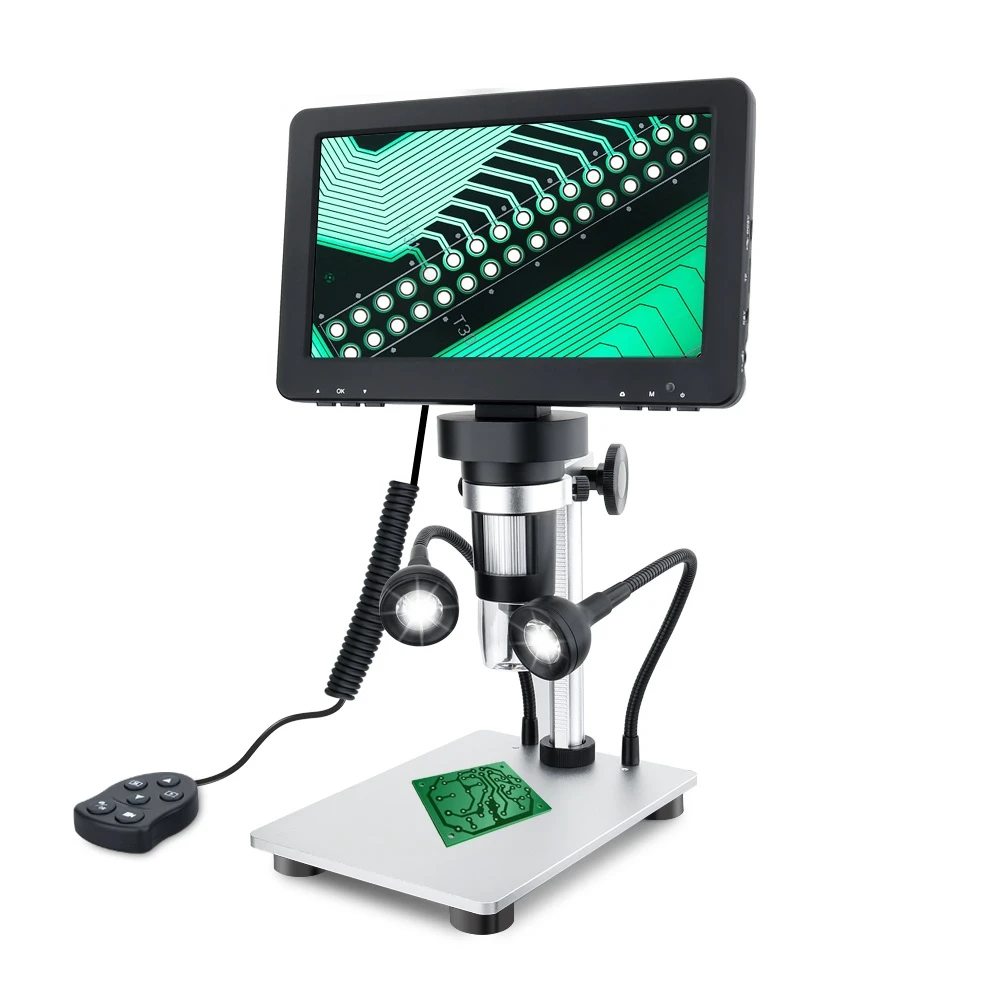
Tips for Maintenance and Care of Optical Microscopes
① Routine Maintenance (1) Moisture-proof: Optical lenses are prone to mildew and fogging. Mechanical parts will rust when damp. Place 1–2 bags of silica gel desiccant inside the microscope cabinet. (2) Dust-proof: Dust on optical components blocks light transmission. After magnification by the optical system, dust forms large stains that interfere with observation. Dust and grit entering moving mechanical parts increase wear and cause jamming. Keep the microscope clean at all times. (3) Corrosion-proof: Do not store the microscope alongside corrosive chemicals such as sulfuric acid, hydrochloric acid and strong alkalis. (4) Heat-proof: Avoid thermal expansion and contraction, which may cause lens cement separation and delamination. Biological microscopes should be kept in a dry, cool, dust-free and non-corrosive environment. Clean the microscope immediately after use, cover it with a breathable dust cover or put it in the cabinet. When idle, cover it with a plastic cover and store it in a dry place for dust and mildew protection. Store objectives and eyepieces in a desiccator with desiccant.
② Maintenance of the Mechanical System Sliding parts: Apply neutral lubricating grease periodically. Cleaning of painted and plastic surfaces: Soft detergent may be used for stubborn stains; lint-free cloth is recommended. Plastic parts can be cleaned with a soft cloth dampened with water. Caution: Do not use organic solvents (alcohol, ether, thinners, etc.), as they corrode mechanical components and paint coatings and cause damage.
③ Maintenance of the Optical System Lens cleaning: Gently wipe the surfaces of eyepieces and objectives with clean, soft lint-free cloth after use. Condensers and mirrors only require simple cleaning. For stubborn stains, use long-fiber degreasing cotton or fine cloth slightly moistened with xylene or lens cleaning solution (3 parts alcohol : 1 part ether). Wipe dry with a soft clean cloth or blow dry with an air blower. Caution: Never allow cleaning fluid to seep inside the objective lens, otherwise the lens will be damaged. Pure alcohol and xylene are flammable; take great care to avoid ignition when switching the power supply on or off.
Remedy for mildewed objectives and eyepieces: Prepare a mixture of 30% anhydrous ethanol + 70% ether. Place individual lenses separately in a desiccator. Use cotton swabs, gauze or soft brushes for cleaning. Oil immersion objectives (especially the 100× objective) must be cleaned promptly; improper handling may cause oil penetration or cement separation of the front lens. Eyepieces can be disassembled for cleaning. Take care not to reverse the 16× eyepiece - the concave side of the front lens faces upward. Do not disassemble objectives arbitrarily. Caution: Do not apply excessive force when wiping lenses to avoid scratching the anti-reflection coating. A centralized maintenance service is recommended about every two months. If multiple microscopes are in use, mark each lens to prevent mismatching.
④ Periodic Inspection Regular inspection and maintenance are recommended to maintain stable performance. In summary, the key points for biological microscope maintenance are dust prevention, moisture prevention, heat prevention and corrosion prevention. Clean the instrument promptly after use and apply neutral lubricating grease to relevant moving parts regularly. Do not disassemble intricate and precision parts without professional knowledge, skills and special tools, to avoid component damage.