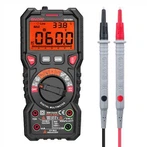
Tips for Measuring Frequency with a Multimeter
A multimeter is typically used to measure electrical parameters such as voltage, current, and resistance, but most standard multimeters do not directly measure frequency. However, there are some advanced multimeters or specific testing equipment that can measure frequency. If you are using this type of device, here are some tips for measuring frequency:
Choose the appropriate measurement mode:
Make sure your multimeter has frequency measurement function and switch to the correct mode.
Calibration equipment:
Before measuring, calibrate your multimeter to ensure accuracy.
Choose the appropriate range:
Select the appropriate range based on the expected frequency of the measured signal to avoid exceeding the measurement range.
Connect probe:
Connect the appropriate probe to the multimeter and ensure good contact of the probe.
Contact signal source:
Contact the probe with the signal source to ensure stable and interference free contact.
Read measurement values:
Observe the display screen of the multimeter and read the frequency value.
Consider signal type:
Confirm whether the signal is a sine wave, square wave, or other type, as different types of signals may require different measurement methods.
Avoid interference:
Ensure that the measurement environment is free from electromagnetic interference, which may affect the measurement results.
Use appropriate attachments:
For certain measurements, specific accessories such as current clamps or probe extension cords may be required.
Record data:
Record the measurement results for further analysis or comparison.