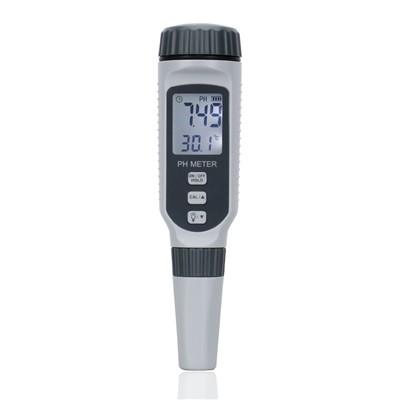
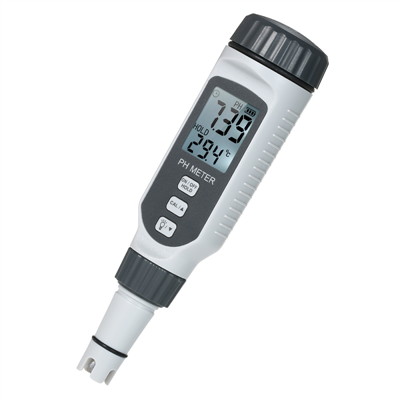
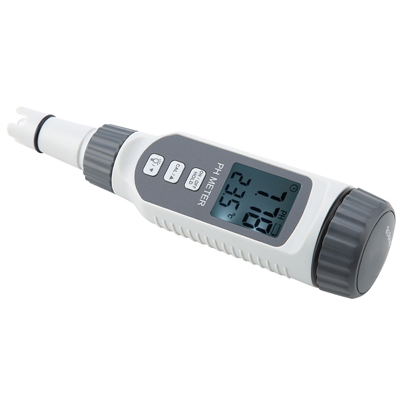
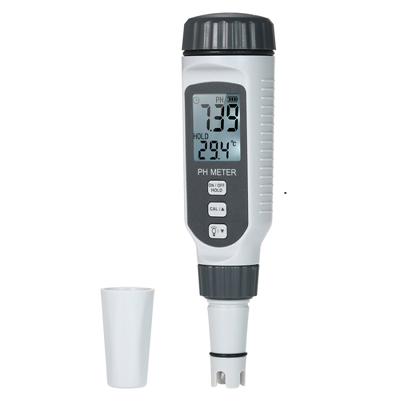
Tips for the use of portable gas detectors
A portable gas detector is an instrument that can measure the concentration of various harmful gases in the air. It usually consists of a detection sensor and a display screen. It can quickly detect the concentration of harmful gases such as oxygen, carbon dioxide, carbon monoxide, hydrogen sulfide, ammonia, hydrogen fluoride, chlorine, and hydrogen cyanide in the air, and alarm in time to facilitate action. Appropriate measures. So what are the tips for using portable gas detectors?
1. Before use, please read the instruction manual carefully and follow the instructions in the instruction manual.
2. The sensor of the portable gas detector is in correct working condition and necessary calibration is carried out. Calibration frequency should be performed according to the manufacturer's recommended schedule.
3. If you need to detect gases in different environments, please select the corresponding detection mode and set the correct detection parameters according to the instructions in the manual.
4. When using a portable gas detector, the contact part with the gas being measured should be fully in contact. If the detector is equipped with a sample pump, you can use the sample pump to draw gas into the portable detector.
5. When using a portable gas detector, avoid exposing it to high temperature, low temperature or high humidity.
6. When detecting gases, keep a safe distance and use necessary personal protective equipment (such as gloves, masks, etc.).
7. When dangerous gases are detected, appropriate measures should be taken immediately, such as opening the ventilation system, evacuating quickly, etc.
8. After use, the portable detector should be stored in the correct environment according to the instructions in the manual, and the portable detector should be maintained and cleaned according to the instructions.